

Why Decluttering is Essential Before Moving
Decluttering before relocating is crucial for an efficient move. By reducing the number of items you need to pack, transport, and unpack, you can save both time and money. A streamlined process allows you to settle into your new home more quickly. Additionally, decluttering can make your current space more appealing if you’re putting it on the market or ending a rental agreement.
Consider a scenario where a family is moving from a three-bedroom apartment to a smaller two-bedroom home. Without decluttering, they risk transporting items they no longer need or use, which adds to the moving cost and complicates the unpacking process. Efficient decluttering allows them to focus on essential items, making the transition smoother and more economical.
Creating Your Decluttering Plan
Set Clear Goals
Establish specific objectives to guide your decluttering efforts. Decide on the amount of space you want to clear or the number of items to eliminate. These goals provide direction and motivation.
For example, if your goal is to reduce the contents of your closets by 50%, start by sorting clothes into categories: keep, donate, and discard. This tangible goal helps measure progress and keeps you motivated throughout the decluttering process.
Schedule Decluttering Sessions
Allocate dedicated time slots for decluttering on your calendar. Short, consistent sessions are often more effective than tackling everything in a single day. This approach prevents burnout and ensures steady progress.
Let’s say you schedule three 30-minute sessions each week. In the first session, focus on sorting through paperwork in your home office. The next session could be dedicated to kitchen items. This structured approach ensures you’re consistently moving forward without feeling overwhelmed.
Room-by-Room Decluttering Guide
Living Room
Sort through electronics, books, and decorative items. Evaluate each item’s necessity and functionality to decide if it should be kept, donated, or discarded.
Consider the case of someone who has a collection of DVDs but no longer owns a DVD player. Donating or selling these items can free up space and reduce clutter, while digital alternatives provide a more practical solution for entertainment needs.
Kitchen
Focus on appliances, utensils, and food items. Discard expired products and consider donating duplicates or rarely used gadgets.
For instance, if you own multiple blenders but regularly use only one, consider donating the extras. This not only reduces clutter but also benefits someone else who may need it. Additionally, organizing your pantry and discarding expired items can enhance kitchen efficiency.
Bedrooms
Tackle clothing, bedding, and personal items. Apply the “one-year rule”: if you haven’t used an item in the past year, consider letting it go.
Imagine a wardrobe packed with clothes that haven’t been worn in years. By applying the one-year rule, you can donate or sell unused items, creating more space for essentials and simplifying your daily routine.
Bathrooms
Sort through toiletries, medications, and cleaning supplies. Safely dispose of expired medications and donate unopened products you no longer need.
For example, many people hold onto half-used shampoos or lotions that don’t suit their needs. Donating these to local shelters can be a practical way to declutter while supporting community initiatives.
Deciding What to Keep, Donate, or Discard
Evaluate Sentimental Items
Sentimental items can be challenging to sort. Prioritize those that hold significant memories and consider photographing others for digital keepsakes.
For instance, rather than keeping a box full of children’s artwork, select a few favorite pieces for framing and photograph the rest for a digital album. This approach maintains the sentimental value without taking up physical space.
Assess Practicality
Evaluate items based on their practicality in your new home. Consider the space available and lifestyle changes accompanying your move.
If downsizing to an apartment without a garden, gardening tools may no longer be practical. Selling or donating these items ensures they are used by someone who can benefit from them.
Utilizing Storage Solutions During the Move
Temporary Storage Options
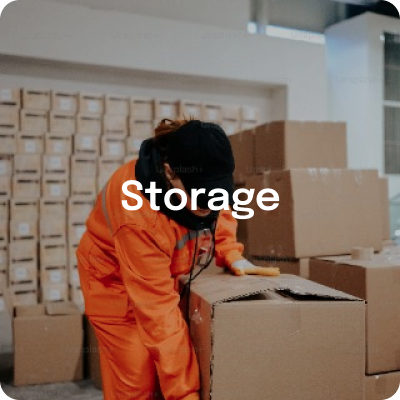
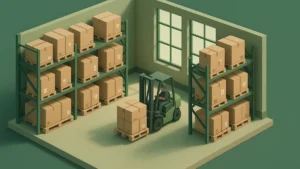
Temporary storage solutions can be invaluable if there’s a gap between moving out and moving into your new home. Choose the Correct Storage Service at Xtended Space to ensure your belongings are safe.
Consider a professional on a temporary work assignment who needs to store belongings for a few months. Utilizing temporary storage ensures their items are secure until they return, avoiding the hassle of transporting unnecessary items.
Long-Term Storage Solutions
If you anticipate needing storage for an extended period, explore long-term options. Consider factors like location, accessibility, and cost-effectiveness.
For example, a business relocating its office might require long-term storage for archived documents and equipment not immediately needed. Choosing a facility with climate control and security features can protect valuable assets over time.
Final Steps Before the Move
Packing Essentials
As you pack, keep essential items separate for easy access upon arrival. This includes important documents, toiletries, and a change of clothes.
Imagine arriving at your new home late at night only to realize the toiletries are buried in a box somewhere. Keeping essentials separate prevents such inconveniences and ensures you’re prepared for any immediate needs.
Labeling Boxes
Clearly label each box with its contents and the room it belongs to. This practice will simplify the unpacking process and save time during settling in.
For instance, labeling a box “Kitchen – Pots and Pans” helps movers place it in the correct room, allowing you to locate and unpack kitchen essentials quickly, facilitating a smoother transition into your new space.
Common Pitfalls and How to Avoid Them
Procrastination
Procrastination is a common challenge. Combat it by starting early and breaking tasks into manageable chunks. Setting deadlines can maintain momentum.
Consider a student moving out of a dormitory at the end of the academic year. Starting to pack and declutter a few weeks in advance prevents last-minute stress and ensures a more organized move.
Over-Sentimentality
Over-sentimentality can lead to keeping more items than necessary. Stay objective by considering the practical use of each item in your new space.
For example, keeping an old piece of furniture that doesn’t fit in your new home may seem sentimental, but it could occupy valuable space. Instead, consider donating it to someone who can appreciate and use it effectively.
Frequently Asked Questions
How far in advance should I start decluttering before a move?
Begin decluttering at least two months before your planned move. This timeline allows for thorough sorting and decision-making without added stress.
What are some effective ways to get rid of unwanted items?
Consider donating to local charities, selling online, or holding a garage sale. Recycling and proper disposal should be used for items that cannot be reused or sold.
How can I stay motivated to declutter regularly?
Maintaining motivation can be achieved by setting small, achievable goals and rewarding yourself for completing tasks. Consistency is key to making decluttering a habit.
Are there any items that should always be kept during a move?
Essential documents, sentimental items, and irreplaceable valuables should always be kept with you. Ensure they are packed securely and easily accessible.
What are the best storage solutions for temporary needs?
Short-term storage units or portable storage containers can be ideal for temporary needs. They offer flexibility and can be tailored to your specific timeline and requirements.
For a deeper understanding of simplifying the decluttering process, visit Why Decluttering the house Takes Time and How to make it simple?
Conclusion
Decluttering before a move is a practical step that facilitates a smoother transition to a new city. By organizing and prioritizing your belongings, you can reduce stress and increase efficiency. Remember to utilize available storage solutions to support your decluttering efforts.
This article is for informational purposes only. Service availability, pricing, timelines, and features may vary by location and operational requirements. Please contact XtendedSpace for the latest information and customized quotations.