
What is Warehousing Logistics?
Definition and Scope
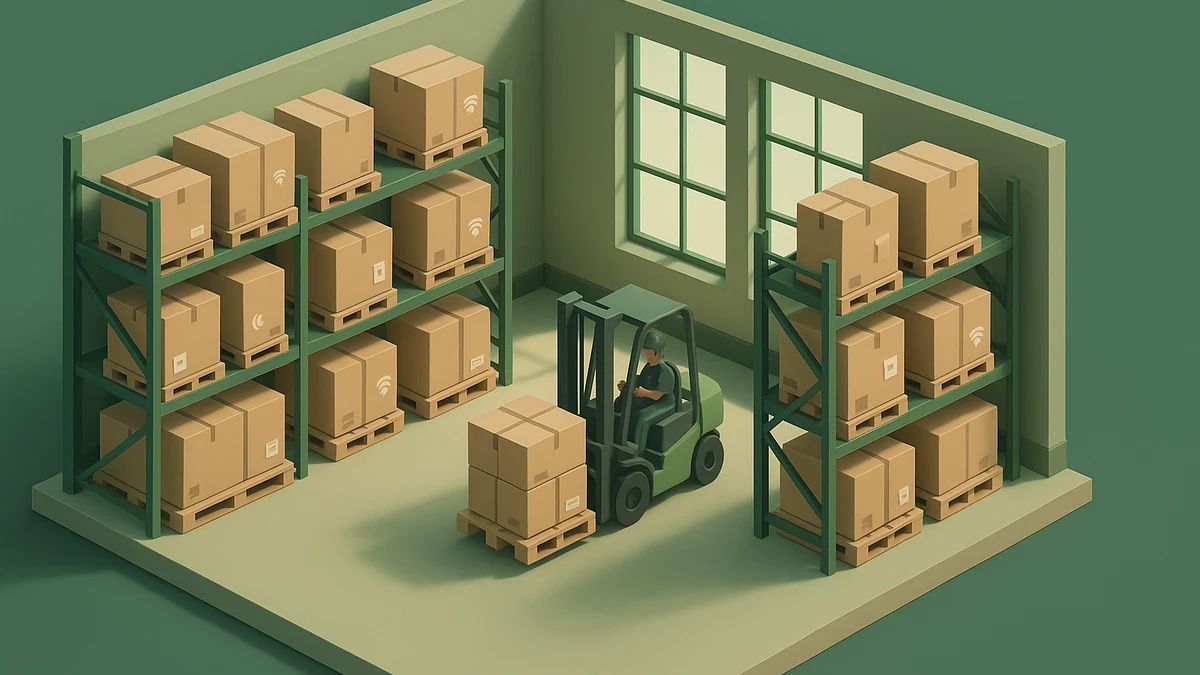
Warehousing logistics involves managing and moving goods within a storage facility. It covers inventory management and transportation of goods, ensuring efficient storage and quick retrieval. This process is crucial for businesses that rely on timely delivery and storage of products to maintain operational flow and customer satisfaction.
Key Components
Key components include storage space, inventory management systems, and transportation logistics. Each plays a crucial role in handling goods correctly and efficiently. Storage space must be optimized to accommodate varying sizes and types of goods, inventory systems should accurately track stock levels, and transportation logistics ensure timely movement of products.
How Warehousing Logistics Optimizes Your Supply Chain
Improved Inventory Management
Effective warehousing logistics enhances inventory management by tracking stock levels, order fulfillment, and product locations, leading to reduced holding costs and increased order processing efficiency. For instance, a business using automated inventory tracking can significantly decrease the time spent on manual checks, reducing errors and speeding up the order fulfillment process.
Cost Reduction Strategies
Optimize space utilization and improve transportation routes to reduce costs. These strategies can significantly lower logistics and operational expenses while maintaining service quality. For example, employing a cross-docking strategy, where products are directly transferred from inbound to outbound transportation with minimal storage, can reduce warehousing costs and improve delivery times.
Key Benefits of Efficient Warehousing Logistics
Enhanced Customer Satisfaction
Efficient logistics enable faster, more reliable product delivery, improving customer satisfaction and building trust, which can increase loyalty. A concrete example is a retailer that uses real-time shipment tracking to keep customers informed, leading to higher repeat purchase rates and positive customer reviews.
Increased Flexibility
Efficient logistics provide flexibility in adjusting to market demands, allowing businesses to scale operations based on demand without excessive costs. For instance, during festive seasons, a flexible logistics system can quickly ramp up operations to handle increased order volumes, ensuring timely delivery and customer satisfaction.
Challenges and Pitfalls in Warehousing Logistics
Common Mistakes
Mistakes include poor space management, inadequate technology adoption, and lack of skilled personnel, leading to inefficiencies and increased costs. An example is a warehouse that fails to implement a modern inventory management system, resulting in overstocking or stockouts, which can lead to lost sales and increased costs.
Solutions and Best Practices
Adopt advanced inventory management systems, train staff, and regularly review logistical processes to avoid common pitfalls and improve logistics performance. Implementing a continuous improvement strategy, such as using key performance indicators (KPIs) to monitor and evaluate logistics performance, can help identify areas for enhancement and ensure ongoing efficiency.
Implementing Warehousing Logistics in India
Region-Specific Considerations
India presents challenges such as varying infrastructure quality and regional regulations. Companies must consider these factors to ensure compliance and efficiency. For example, businesses operating in multiple Indian states need to navigate different state-level taxes and logistical infrastructure, which can impact operational efficiency and costs.
Regulatory Compliance
Compliance with local laws and regulations is vital, including adhering to safety standards and ensuring proper documentation for stored and transported goods. Companies should stay updated on regulatory changes and invest in compliance management systems to avoid legal issues and maintain smooth operations.
Next Steps to Optimize Your Supply Chain
Evaluating Your Current Logistics
Assess your current logistics setup to identify areas for improvement, focusing on bottlenecks and inefficiencies that can be addressed through better warehousing practices. Conducting a logistics audit can reveal opportunities to optimize storage layout, enhance inventory tracking, and streamline transportation routes.
Choosing the Right Partner
Select a logistics partner based on expertise, technology, and scalability to meet your business needs. Choose the correct storage service to align with your specific requirements. Collaborating with a partner that offers advanced technology solutions and flexible service options can enhance your supply chain efficiency and adaptability.
Frequently Asked Questions
What are the latest trends in warehousing logistics?
Recent trends include automation, AI-driven inventory management, and big data analytics to optimize supply chain operations. These technologies help increase accuracy, reduce manual labor, and enable predictive analytics for better decision-making.
How can small businesses benefit from warehousing logistics?
Small businesses benefit from improved inventory control, reduced costs, and enhanced customer service, allowing them to compete with larger companies. Implementing cost-effective logistics solutions can help small businesses achieve economies of scale and improve their market competitiveness.
What technologies are used in modern warehousing logistics?
Technologies such as warehouse management systems (WMS), RFID, and automated picking systems improve efficiency and accuracy in warehousing logistics. These tools streamline operations, reduce errors, and enhance visibility across the supply chain.
How does warehousing logistics differ from traditional warehousing?
Warehousing logistics integrates advanced technology and optimized processes for effective inventory management, unlike traditional warehousing, which focuses on storage. This integration allows for better coordination, faster processing times, and improved overall efficiency.
What are the cost implications of implementing warehousing logistics?
Initial costs may include technology investments and staff training, but long-term benefits like reduced operational costs and improved efficiency often outweigh these expenses. Companies should consider these investments as strategic steps toward enhancing their supply chain performance and competitiveness.
This article is for informational purposes only. Service availability, pricing, timelines, and features may vary by location and operational requirements. Please contact XtendedSpace for the latest information and customized quotations.