
Understanding Your Business Storage Needs
Assess Inventory Size
The first step in choosing a business storage unit is assessing your current inventory size. This involves tallying items that require storage, including products, equipment, and supplies. For example, a small retail business with seasonal goods may need about 200 square feet for its inventory. Consider using specialized inventory management software to keep an accurate and up-to-date count of your items, which can help in determining the precise space required.
Consider Future Growth
Plan for future growth when selecting a storage unit. Consider potential business expansion and additional inventory. If your business grows at a rate of 10% annually, ensure your storage solution can accommodate similar growth over the next few years. Businesses often overlook this aspect, leading to frequent relocations and increased costs. Conduct a market analysis to predict your growth trajectory and consult with storage experts to select a scalable solution.
Types of Storage Units Available
Self-Storage Units
Self-storage units are flexible and available in various sizes. They are ideal for businesses needing occasional access to their items. This option is often cost-effective, but verify security features and accessibility before committing. For instance, a small tech startup might store surplus inventory or promotional materials in a 100-square-foot unit, accessing it only during product launches or trade shows.
Warehouse Storage
Warehouse storage offers more space and suits businesses with large-scale storage needs. These facilities often provide additional services like loading docks and logistics support. Warehouse storage is a more structured solution, often requiring longer-term contracts. Companies in the manufacturing sector, for example, might benefit from the extensive space and infrastructure that warehouse storage provides, facilitating smoother operations and better supply chain integration.
Location and Accessibility
Proximity to Business
The location of your storage unit relative to your business can impact operational efficiency. A nearby storage facility can reduce transportation time and costs. For instance, a business based in Mumbai might find it prudent to locate storage solutions within the same city or neighboring areas. Evaluate transportation options, such as proximity to major highways or public transit routes, to optimize your logistics strategy.
Access Hours
Access hours are crucial, especially for businesses needing to retrieve items outside standard business hours. Confirm whether the storage facility offers 24/7 access or has specific access times that align with your operational requirements. Businesses that operate across multiple time zones, such as import-export firms, may require round-the-clock access to ensure timely shipments and avoid delays.
Security Features to Consider
Surveillance Systems
Security is a top priority for business storage. Look for facilities equipped with surveillance cameras that operate continuously. This feature can deter theft and provide peace of mind that your assets are monitored. Additionally, inquire about the resolution and storage duration of surveillance footage to ensure it meets your security standards.
Access Control
Access control systems, such as keycard entry or biometric scanners, can enhance the security of your storage unit. These systems ensure that only authorized personnel can access stored items, adding an extra layer of protection. Regularly update access permissions to reflect changes in your staff, which helps in maintaining a secure environment.
Cost Considerations and Contracts
Pricing Structures
Understand the pricing structure of storage units, which may include monthly fees, insurance, and additional charges for special features. Costs can vary significantly based on location and size, so compare different providers to find a solution that fits your budget. Consider negotiating terms for long-term leases or bulk storage, as providers may offer discounts for extended commitments.
Contract Terms
Review contract terms carefully, including duration, termination clauses, and any potential penalties for early exit. A flexible contract can be beneficial if your storage needs fluctuate, while a fixed-term contract might offer cost advantages. Examine any hidden fees, such as maintenance charges or administrative costs, that could impact your overall budget.
Evaluating Additional Services
Climate Control
For businesses storing sensitive items, climate-controlled units can prevent damage from humidity and temperature fluctuations. This feature is particularly beneficial for storing electronics, artwork, and perishable goods. For example, pharmaceutical companies may use climate-controlled storage to maintain the integrity of temperature-sensitive products and comply with regulatory standards.
Logistics Support
Some storage facilities offer logistics support, such as inventory management and transportation services. These services can streamline your operations and reduce the burden on your internal resources. Evaluate the facility’s logistics network and capacity to handle your specific needs, such as last-mile delivery or reverse logistics.
Steps to Secure the Right Storage Solution
Visit Potential Storage Sites
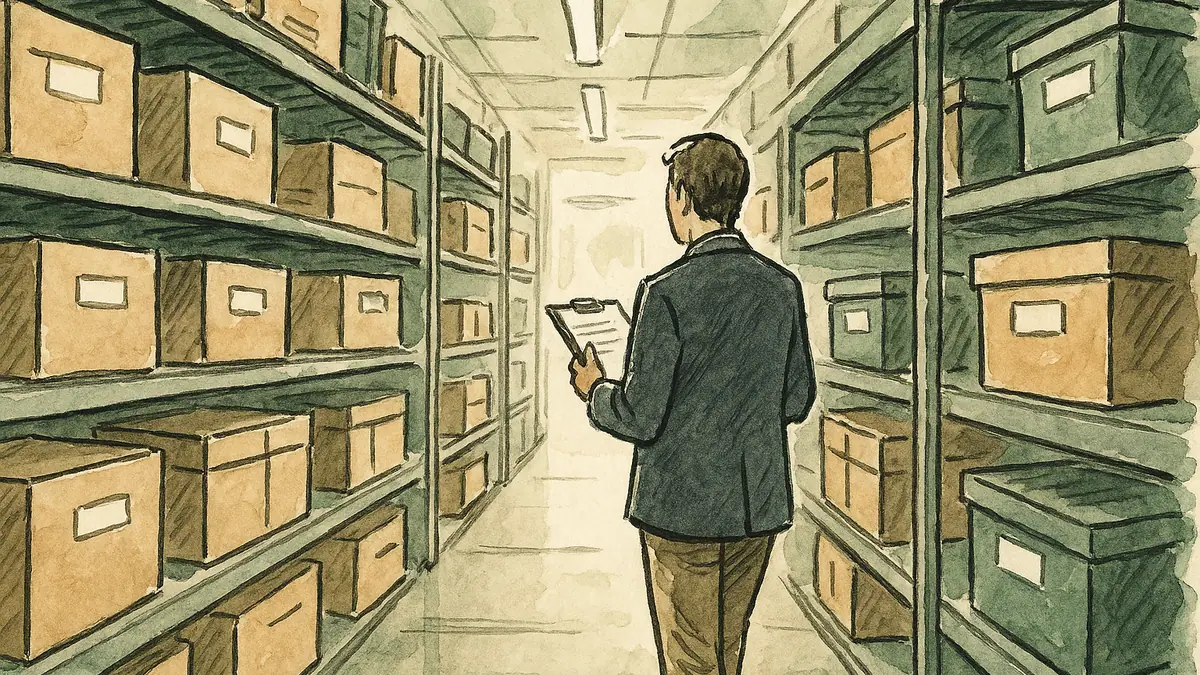
Before finalizing your choice, visit potential storage sites to assess their suitability. Evaluate the cleanliness, security measures, and accessibility firsthand. This step ensures you choose a facility that meets all your business requirements. Consider bringing a checklist of your specific needs to ensure no critical aspect is overlooked during the visit.
Finalize Your Choice
After thorough evaluation, finalize your storage choice by reviewing terms and conditions and confirming all details with the provider. Ensure that the selected storage solution aligns with your business’s current and future needs. Schedule regular reviews to reassess your storage solution, as business needs can evolve over time, requiring adjustments to your storage strategy.
Frequently Asked Questions
What is the average cost of a business storage unit?
The average cost can vary depending on location, size, and additional features like climate control. It’s advisable to contact local providers for precise pricing based on your specific requirements.
How can I estimate the space needed for my inventory?
Estimating space requires a detailed inventory list and measurements of large items. Utilize online calculators or consult with storage professionals for an accurate assessment.
Are there storage solutions specifically for seasonal businesses?
Yes, many providers offer flexible contracts or seasonal storage solutions, allowing businesses to adjust space according to their needs during different times of the year.
What are the benefits of climate-controlled storage?
Climate-controlled storage protects sensitive items from temperature and humidity extremes, reducing the risk of damage to electronics, documents, and delicate materials.
Can I change storage units if my needs change?
Many storage facilities offer flexibility to upgrade or downgrade your unit as needed. Check with your provider about their policies on changing units to accommodate fluctuating storage needs.
Choosing the right storage unit for your business involves careful consideration of your current and future needs, available options, and budget constraints. By assessing all factors and exploring options like self-storage and warehouse facilities, you can secure a solution that enhances your business operations. Choose the Correct Storage Service at Xtended Space for more insights.
This article is for informational purposes only. Service availability, pricing, timelines, and features may vary by location and operational requirements. Please contact XtendedSpace for the latest information and customized quotations.