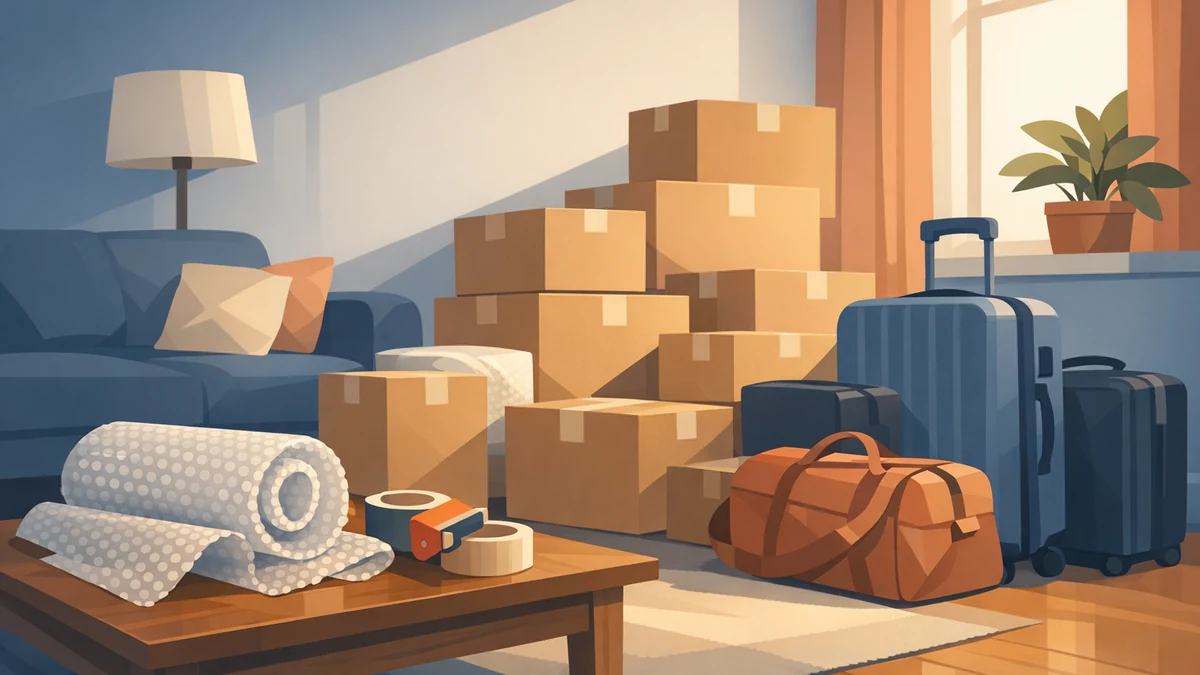
Efficient Packing Tips for Long-Distance Home Relocation
Efficient packing is crucial for a smooth long-distance home relocation. A strategic approach ensures your items are organized, protected, and ready for the journey. Here are key steps to streamline your packing process.
Key Takeaways
- Develop a comprehensive packing plan early in the process.
- Gather all necessary packing supplies before starting.
- Declutter to reduce the volume of items you need to move.
- Pack room-by-room to maintain organization.
- Secure fragile items with appropriate protective materials.
Start with a Packing Plan
Assess Your Needs
Evaluate the scale of your move, considering household size and distance. This helps estimate the packing materials you’ll require. For instance, a family of four moving from Delhi to Bangalore might need approximately 50 large boxes, 30 medium boxes, and 20 small boxes, along with various protective materials.
Create a Timeline
Set a realistic timeline for packing, allocating time for each room. A structured timeline prevents last-minute stress and helps manage tasks effectively. If you’re moving in three months, consider dedicating weekends to packing one room at a time, starting with non-essential spaces like guest rooms or storage areas.
Gather Essential Packing Supplies
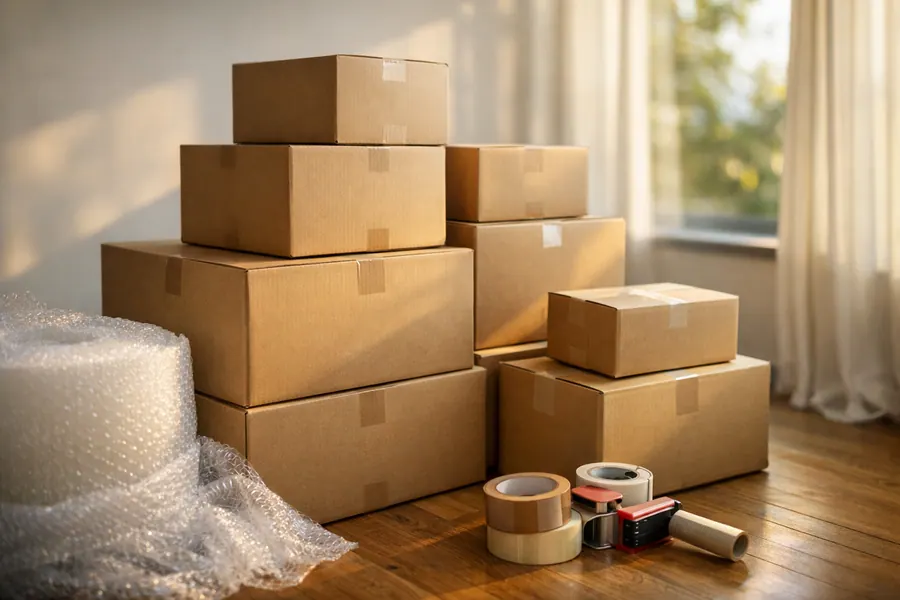
Boxes and Containers
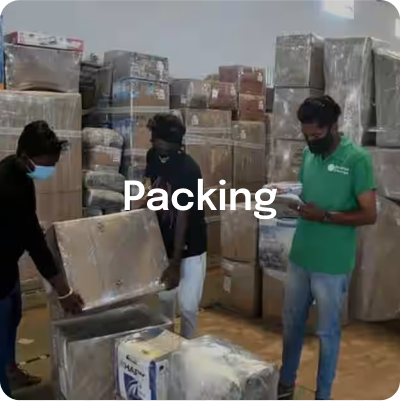
Invest in quality boxes of various sizes. Sturdy containers protect belongings better than reused ones. Large boxes suit lightweight items; smaller ones are for heavier goods. It’s advisable to purchase boxes from a reputable supplier to ensure durability, as thin boxes may collapse under weight during transit.
Protective Materials
Secure materials like bubble wrap, packing paper, and foam peanuts. These are essential for safeguarding delicate items during transit. Consider furniture pads for bulky items. For instance, wrapping a glass tabletop in bubble wrap and securing it with tape can prevent scratches and breakage.
Declutter and Organize
Sort Items by Category
Organize belongings by category before packing. Group similar items together, like kitchenware and clothing, to simplify packing and identify unnecessary items. This categorization can also help when unpacking, as boxes can be directed to their designated rooms at the new location.
Decide What to Keep
Evaluate each item’s necessity and sentimental value. Decide what to keep, donate, or discard. Reducing clutter saves space and reduces moving costs. For example, donating unused clothes and old electronics can not only lighten your load but also benefit local charities.
Pack Room by Room
Label Each Box Clearly
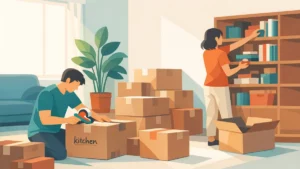
Label each box with its contents and the room it belongs to. This ensures straightforward unpacking. Use a consistent labeling system to avoid confusion. A color-coded labeling system can further enhance organization; for example, red for the kitchen, blue for bedrooms.
List Box Contents
Keep a detailed inventory of each box’s contents. A simple list on your phone or paper can be invaluable if boxes are misplaced, helping track belongings and speeding up unpacking. This inventory can serve as a checklist to confirm all items have arrived safely.
Secure Fragile Items
Use Bubble Wrap
Wrap fragile items individually with bubble wrap to prevent damage. Ensure items are snug within the box to minimize movement. Double-box especially delicate items for added protection. For example, placing a wrapped vase inside a smaller box, then putting that box into a larger one with padding, adds an extra layer of security.
Pack Dishes Vertically
Place dishes on their sides vertically, like records, to reduce breakage risk. Fill gaps with crumpled paper or foam peanuts for cushioning. This method distributes pressure more evenly across the surface of the dishes, minimizing the chance of cracks and chips.
Consider Storage Options
Short-Term Storage Solutions
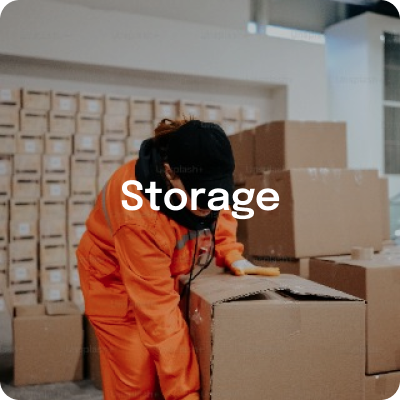
If there’s a gap between moving out and your move-in date, consider short-term storage facilities. These provide flexibility and security for your belongings during transitions. Look for facilities with 24-hour security and climate control, especially if storing temperature-sensitive items.
Long-Term Storage Solutions
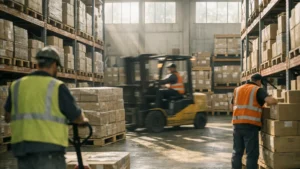
For items not immediately needed, explore long-term storage facilities. Ensure the facility offers climate control and adequate security. Evaluate costs and access convenience when choosing a solution. It’s wise to compare multiple facilities to find one that offers the best balance between cost and security.
Final Checks Before Moving Day
Verify Packed Boxes
Double-check that all boxes are securely sealed and labeled. Confirm that fragile items are cushioned. Conduct a final walkthrough to ensure nothing is left behind. This step can prevent the common problem of realizing essentials are still at the old location after the move.
Prepare an Essentials Box
Pack an essentials box with items needed immediately upon arrival, like toiletries, a change of clothes, important documents, and basic kitchenware. This box should be easily accessible during the move. Consider including snacks and water for the moving day to keep energy levels up.
Frequently Asked Questions
How long does it take to pack a house for a long-distance move?
Packing a house typically takes several weeks, depending on size and belongings. Start early to ensure a stress-free process.
Can I use garbage bags for packing?
Garbage bags can be used for soft items like clothing, but they’re not recommended for heavier or fragile items due to lack of structure and protection.
What happens if I don’t label my boxes?
Not labeling boxes can lead to confusion during unpacking, increasing the time and effort required to find specific items.
How do I pack electronics for a long-distance move?
Pack electronics in their original boxes if available. Use bubble wrap and packing peanuts to fill gaps. Ensure cords and accessories are packed together to avoid loss.
What are the best materials for packing fragile items?
Bubble wrap, foam peanuts, and sturdy boxes are ideal for packing fragile items. These materials provide cushioning and protection during transit.
Can I pack my clothes without boxes?
Clothes can be packed in suitcases or garment bags, saving space and protecting clothing during the move.
How do I decide what to keep when moving?
Consider the functional and sentimental value of each item. Donate or discard items that are no longer needed or used.
What is an essentials box and what should it include?
An essentials box contains items you’ll need immediately upon arrival, such as toiletries, clothing, and important documents. It ensures quick access to necessities.
How do I handle packing for a last-minute move?
Prioritize essential items and use professional packing services if possible. Stay organized with lists and enlist help from family or friends.
What are the costs associated with long-term storage?
Costs vary based on location, storage size, and duration. Climate control and security features may increase costs, so compare facilities for the best option.
How should I pack my kitchen items?
Use packing paper to wrap kitchen items and place heavier items at the bottom of boxes. Label boxes with contents and the room to streamline unpacking.
What are the risks of not securing items properly?
Improperly secured items can lead to damage during transit, resulting in additional expenses and stress. Use appropriate packing materials to mitigate these risks.
This article is for informational purposes only. Service availability, pricing, timelines, and features may vary by location and operational requirements. Please contact XtendedSpace for the latest information and customized quotations.