

10 Must-Know Tips for a Smooth Home Relocation
Home relocation can be complex, but planning and preparation make it manageable. A structured approach ensures a smoother transition to your new home.
Key Takeaways
- Plan ahead by creating a timeline and setting a budget for your move.
- Organize and declutter to reduce the volume of items you need to move.
- Pack efficiently using quality materials and clear labeling.
- Hire reputable movers by researching and verifying credentials.
- Prepare for moving day with a well-planned route and accessibility.
Plan Your Move Early
Create a Timeline
Establish a timeline for your move at least two months in advance. This allows you to notify landlords or utility companies timely. A detailed timeline helps prevent last-minute rushing and reduces stress.
Set a Budget
Set a realistic budget for all aspects of the move, including packing materials, transportation, and potential storage needs. Consider costs for professional movers or rental trucks, and include a buffer for unexpected expenses.
Organize and Declutter
Separate Essentials
Identify essential items for daily life and prioritize them. Pack these last and unpack them first in your new home to minimize disruption.
Dispose of Unwanted Items
Use moving as an opportunity to declutter. Donate, sell, or recycle items you no longer need. This reduces the volume to be moved, potentially lowering transportation costs. For more tips, visit Why Decluttering the House Takes Time and How to Make it Simple.
Pack Smartly
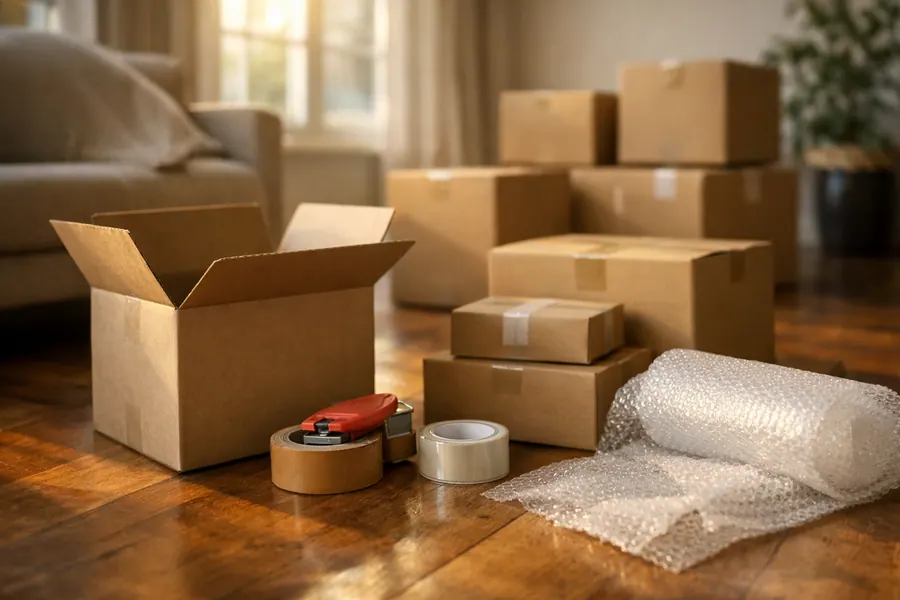
Use Quality Packing Materials
Invest in sturdy boxes, bubble wrap, and packing tape. Quality materials protect your belongings and reduce the risk of damage during transit. Proper packing is crucial for a successful move.
Label Boxes Clearly
Label each box with its contents and destination room in your new home. This simplifies unpacking and ensures essential items are easily accessible upon arrival. For additional packing tips, check out How to Pack Boxes for Your Move Without Making These Mistakes.
Hire Professional Movers
Research Reliable Companies
Conduct thorough research on moving companies by reading reviews and asking for recommendations. Reliable movers will have positive feedback and transparent pricing. Compare quotes to find a service that fits your needs.
Verify Credentials
Ensure the moving company is licensed and insured. Verifying credentials protects against potential scams and ensures professional service. Confirm the legitimacy of a mover before signing any contracts.
Protect Valuables and Fragile Items
Use Extra Padding
Wrap fragile items separately with extra padding like bubble wrap or foam. Double-box valuable items for added protection. This reduces the risk of damage during transportation.
Consider Insurance
Assess whether your movers offer insurance for your belongings. Insurance provides peace of mind and financial protection against potential damage or loss during the move. Evaluate different options and choose what suits your needs.
Manage Utilities and Address Changes
Schedule Utility Transfers
Contact utility providers to arrange disconnection at your old address and connection at your new one. Aim to have utilities like electricity and water set up in advance of your arrival to avoid inconvenience.
Update Address
Notify banks, subscriptions, and government agencies of your new address. Timely updates prevent missed correspondence and ensure continuity of service. Efficiency in this task saves time and hassle.
Prepare an Essentials Box
Pack an essentials box containing items needed for the first 24-48 hours in your new home. Include toiletries, a change of clothes, basic kitchenware, and important documents. This box ensures comfort and convenience during the initial phase of settling in.
Coordinate Moving Day Logistics
Plan the Route
Map out the most efficient route from your old home to your new one, considering traffic patterns and road conditions. Planning the route minimizes travel time and potential delays on moving day.
Ensure Accessibility
Ensure that both your old and new homes are accessible for the moving truck. Clear pathways enhance safety and efficiency during loading and unloading. Verify parking arrangements to avoid complications on moving day.
Set Up Your New Home Efficiently
Unpack Essentials First
Begin unpacking your essentials box and settle into your new home with ease. Prioritize unpacking items that you use daily to quickly re-establish routine.
Prioritize Room Setup
Focus on setting up key areas like the kitchen and bedroom first. Quick setup of these rooms enhances comfort and functionality in your new home. Gradually unpack less frequently used items.
Evaluate the Move and Provide Feedback
Once your move is complete, evaluate the performance of your movers and provide feedback. Constructive feedback helps service providers improve and assists future customers in making informed decisions.
Frequently Asked Questions
How long does it typically take to relocate a home?
The duration of a home relocation varies depending on factors such as the distance, volume of belongings, and efficiency of planning. Typically, local moves can be completed in a day, while longer distances may take several days.
Can I move my home without professional movers?
While it is possible to move without professional movers, it requires careful planning and additional effort. Consider your resources, such as time, manpower, and vehicle availability, before deciding on a DIY move.
What should be included in a moving budget?
A moving budget should cover transportation, packing materials, professional movers (if applicable), insurance, and any temporary storage needs. Including a contingency fund for unexpected expenses is also recommended.
How do I safely pack fragile items for moving?
To pack fragile items safely, use materials like bubble wrap and packing paper, and place items in sturdy boxes. Fill any gaps with padding to prevent movement during transit.
What happens if my belongings are damaged during the move?
If your belongings are damaged during the move, report the damage to your moving company immediately. If insured, file a claim as per the policy terms to seek compensation for the damage.
How far in advance should I start planning my move?
Begin planning your move at least two months in advance to ensure adequate time for preparation. Early planning allows for securing a moving date and addressing any potential challenges.
What are the best ways to declutter before moving?
Effective decluttering involves sorting items into categories: keep, donate, sell, and discard. This process reduces the moving volume and can generate additional funds for the move.
How do I change my address when moving?
Change your address by notifying utility companies, government agencies, and financial institutions. Many organizations offer online address change services for convenience.
What is an essentials box for moving?
An essentials box contains necessary items for the first few days in your new home. It typically includes toiletries, clothing, kitchen essentials, and important documents.
How can I ensure my movers are reliable?
To ensure reliability, research moving companies thoroughly and check reviews and credentials. Obtain multiple quotes and verify that the company is licensed and insured.
Are there items that movers won’t transport?
Movers typically do not transport hazardous materials, perishable goods, or items of extraordinary value. Always consult with your moving company regarding their specific policies.
What are common mistakes to avoid during relocation?
Common relocation mistakes include not planning early, failing to declutter, and underestimating packing time. Avoid these by organizing tasks effectively and seeking professional help if needed.
This article is for informational purposes only. Service availability, pricing, timelines, and features may vary by location and operational requirements. Please contact XtendedSpace for the latest information and customized quotations.