

5 Essential Tips for Warehouse Management to Boost Efficiency
Boosting warehouse efficiency requires a strategic approach to key areas. Focus on inventory storage, technology integration, warehouse layout, staff training, and performance monitoring to enhance operational effectiveness.
Key Takeaways
- Optimize inventory storage by evaluating current solutions and implementing advanced systems.
- Utilize technology like barcode scanning and warehouse management software for accurate tracking.
- Streamline the warehouse layout to improve workflow efficiency and implement flexible storage solutions.
- Invest in effective staff training, focusing on regular sessions and safety protocols.
- Monitor and analyze performance with key performance indicators and regular reviews for ongoing improvement.
Optimize Inventory Storage

Evaluate Current Storage Solutions
Start by evaluating your current storage solutions. Identify areas where space is underutilized or inventory mishandled. A thorough assessment helps pinpoint inefficiencies, allowing for targeted improvements.
Consider a scenario where a warehouse has a high volume of seasonal goods. Evaluating storage solutions can reveal whether these goods are occupying prime locations year-round, hindering access to faster-moving items. A strategic reorganization can free up valuable space and improve operational efficiency.
Implement Advanced Inventory Systems
Consider adopting advanced inventory systems such as automated storage and retrieval systems (AS/RS). These systems can enhance storage density and retrieval speed, leading to better space utilization and reduced labor costs. According to industry reports, businesses using AS/RS often see significant efficiency gains.
For example, a business that integrates AS/RS can reduce picking time by up to 50% as of 2026, allowing staff to focus on other critical tasks. This leads to a more streamlined workflow and a reduction in potential errors associated with manual handling.
Utilize Technology for Tracking
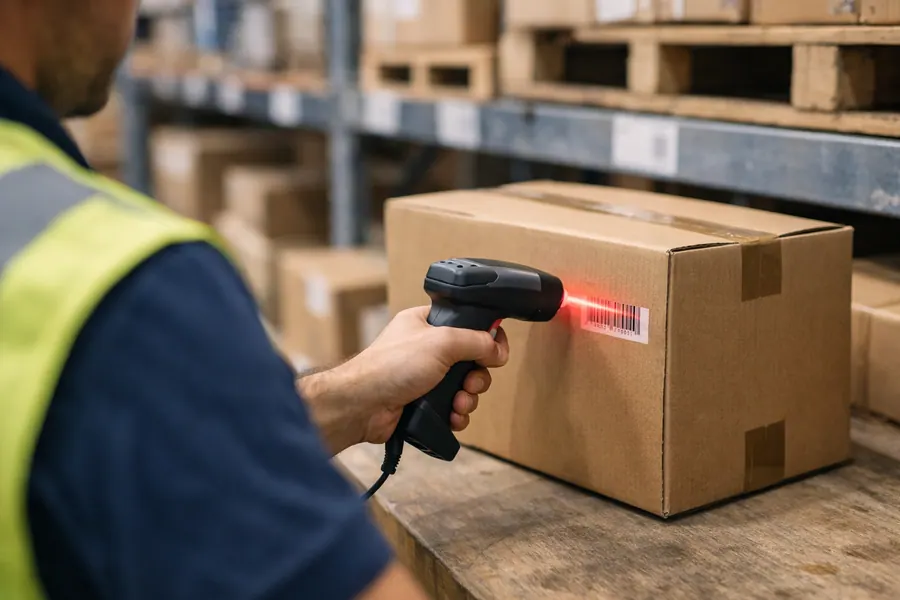
Adopt Barcode Scanning
Integrating barcode scanning into your operations improves tracking accuracy. It minimizes manual errors and accelerates the inventory check-in and out process. Barcode technology is a cost-effective way to maintain accurate inventory records.
Consider a medium-sized warehouse processing thousands of items daily. Implementing barcode scanning can reduce data entry errors by approximately 80%, significantly improving inventory accuracy and reducing time spent on inventory reconciliation.
Use Warehouse Management Software
Warehouse Management Software (WMS) provides a comprehensive solution for inventory tracking and management. Implementing a WMS system allows real-time inventory tracking, stock location management, and valuable report generation.
A specific use case involves a company managing multiple warehouses across different locations. WMS enables centralized control and visibility, facilitating better coordination and efficient resource allocation, ultimately enhancing the overall supply chain performance.
Streamline Warehouse Layout
Design for Workflow Efficiency
A well-designed warehouse layout maximizes workflow efficiency. Position frequently used items in accessible areas to reduce travel time for workers. This approach improves speed and enhances safety by reducing congestion.
For instance, a company might group items frequently ordered together in the same zone. Doing so can cut picking time by around 30%, as workers spend less time moving between different parts of the warehouse to fulfill an order.
Implement Flexible Storage Solutions
Flexible storage solutions adapt to changing inventory demands. Consider adjustable shelving and modular racking systems that can be reconfigured to accommodate different sizes and types of inventory.
A practical example could involve a business dealing with fluctuating order sizes. Using adjustable shelving allows for quick adaptation to inventory changes, ensuring optimal space utilization during peak seasons without requiring significant layout overhauls.
Implement Effective Staff Training
Regular Training Sessions
Regular training sessions keep staff updated on best practices and new technologies. Consistent training ensures employees are skilled in handling equipment safely and efficiently.
Imagine a scenario where a warehouse introduces new handling equipment. Regular training sessions ensure that all staff are proficient in using the new tools, reducing the risk of accidents and maintaining productivity levels during transitions.
Safety Protocols
Implementing safety protocols is essential for preventing workplace accidents. Ensure all staff are trained in safety procedures and that these protocols are regularly reviewed and updated.
Consider a facility handling hazardous materials. Strict adherence to safety protocols, combined with regular drills, can minimize the risk of incidents, protect staff, and ensure compliance with safety regulations.
Monitor and Analyze Performance
Set Key Performance Indicators
Establishing Key Performance Indicators (KPIs) helps measure warehouse performance. KPIs such as order accuracy, inventory turnover, and fulfillment speed provide insights into operational efficiency.
For example, a business might track order accuracy rates. By improving this KPI from 95% to 99%, the company can reduce customer complaints, improve satisfaction, and potentially increase repeat business.
Regular Performance Reviews
Conduct regular performance reviews to identify trends and areas for improvement. These reviews should involve feedback from staff at all levels. Analyzing performance data helps make informed decisions to boost efficiency.
An annual review might reveal seasonal peaks in order volume that strain existing resources. Recognizing this trend allows management to adjust staffing levels or implement temporary storage solutions to better handle peak periods without affecting service quality.
Next Steps for Continuous Improvement
Continuous improvement is key to maintaining warehouse efficiency. Regularly update your processes and technologies to adapt to changes in demand and industry trends. Ongoing training programs and technology upgrades ensure competitive and efficient operations.
Consider establishing a continuous improvement team tasked with regularly assessing warehouse operations. This team can focus on small, incremental changes that cumulatively result in substantial efficiency gains over time, fostering a culture of constant progress and adaptation.
Frequently Asked Questions
How can I improve warehouse efficiency?
Improving warehouse efficiency involves optimizing inventory storage, utilizing technology, streamlining layouts, and providing effective staff training. Regular monitoring and performance reviews are also crucial.
What technology is used in warehouse management?
Common technologies include barcode scanning, Warehouse Management Software (WMS), and automated storage and retrieval systems (AS/RS). These technologies enhance tracking, storage efficiency, and inventory management.
Why is inventory management important in warehousing?
Effective inventory management ensures optimal stock levels, reduces costs, and enhances customer satisfaction by minimizing errors and delays. It is a critical component of efficient warehouse operations.
What are the benefits of a well-organized warehouse layout?
A well-organized layout improves workflow efficiency, reduces travel time for workers, enhances safety, and maximizes storage space utilization. It is essential for maintaining high productivity levels.
What kind of training should warehouse staff receive?
Warehouse staff should receive training on equipment handling, safety protocols, and efficient workflow practices. Regular updates on new technologies and procedures are also beneficial.
How do I set performance metrics for a warehouse?
Set metrics such as order accuracy, inventory turnover, and fulfillment speed as Key Performance Indicators (KPIs). Regularly review these metrics to ensure alignment with business goals.
What are the common challenges in warehouse management?
Challenges include managing inventory levels, ensuring efficient space utilization, maintaining safety standards, and integrating technology. Addressing these challenges is key to efficient operations.
Can technology reduce errors in warehouse operations?
Yes, technology such as barcode scanning and WMS significantly reduce errors by automating tracking and inventory management. These tools improve accuracy and efficiency.
How often should I review warehouse performance?
Regular performance reviews should be conducted quarterly, with more frequent checks for specific KPIs. Consistent reviews help identify trends and areas for improvement.
What are the cost implications of implementing warehouse management software?
Costs vary based on software complexity and features. While initial investment may be significant, long-term savings from improved efficiency and reduced errors can offset these costs.
What is the role of safety protocols in warehouse management?
Safety protocols prevent workplace accidents, ensuring a safe environment for employees. They are essential for maintaining operational continuity and reducing injury-related costs.
Choose the Correct Storage Service at Xtended Space for tailored solutions.
For safe storage options, explore Safe Warehousing Storage Space in Delhi.
Learn more about our practices at How Well Does Xtended Space Maintain Its Warehouse?
This article is for informational purposes only. Service availability, pricing, timelines, and features may vary by location and operational requirements. Please contact XtendedSpace for the latest information and customized quotations.