

Packing electronics safely for relocation requires the right materials, proper device preparation, and specific packing protocols. Proper packing significantly reduces the risk of damage, ensuring devices arrive intact and operational.
Key Takeaways
- Use sturdy boxes and protective materials to safeguard electronics during transport.
- Back up data and remove batteries before packing electronic devices.
- Label each box clearly and keep an inventory list for easy identification.
- Avoid overpacking boxes and ignoring fragile labels.
- Consider a reliable relocation service for secure transportation of electronics.
Gather Essential Packing Materials
Types of Boxes
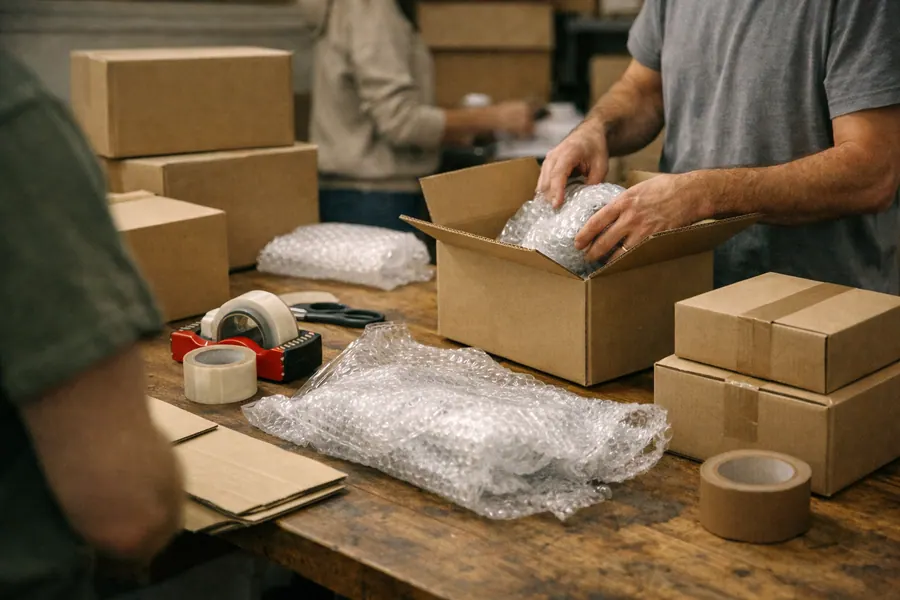
Use sturdy, appropriately sized boxes for each device. Original packaging is ideal, but if unavailable, choose double-walled boxes for extra protection. Avoid oversized boxes to prevent movement and potential damage. For particularly delicate or high-value electronics, consider custom foam inserts for a snug fit and added safety.
Protective Materials
Invest in bubble wrap, foam peanuts, and anti-static wraps to cushion electronics and prevent static electricity damage. Secure boxes with packing tape to ensure they remain closed during transit. Desiccant packets can be added to absorb moisture, particularly during monsoon seasons.
Preparing Electronics Before Packing
Backing Up Data
Back up important data using external hard drives or cloud storage services. Confirm the backup is complete before disconnecting and packing devices. Regularly updating your backup protocol ensures you always have the most current data, minimizing risks associated with unexpected mishaps.
Removing Batteries
Remove batteries to prevent leakage and corrosion, especially in remote controls and portable electronics. Store batteries separately in a plastic bag. Consider recycling old or expired batteries according to local regulations to prevent potential environmental harm.
Step-by-Step Packing Instructions
Securing Cables
Organize and secure cables with ties or rubber bands to prevent tangling. Label each cable to match its device for easier setup later. Store cables in a separate, marked bag within the box. For complex setups, take photos of cable connections before dismantling, aiding in efficient reassembly.
Using Protective Wraps
Wrap each device with bubble wrap or anti-static wrap before placing it in the box. Fill remaining spaces with foam peanuts to prevent movement during transit. For additional protection, consider double-wrapping particularly fragile items and securing them with tape to keep the wrap in place.
Labeling and Organizing Packed Items
Using Labels
Label each box with contents and destination room for efficient unpacking. Include handling instructions like “Fragile” or “This Side Up” to inform movers of special care needs. For international moves, consider labeling in multiple languages if applicable.
Creating Inventory Lists
Maintain an inventory list of all packed electronics and their corresponding boxes. This aids in tracking items during the move and verifying their safe arrival. Digital inventory lists can be shared easily with moving companies or insurance providers if needed.
Common Mistakes to Avoid
Overpacking Boxes
Avoid overpacking, as it increases the risk of items getting crushed. Use multiple boxes if necessary, ensuring each is manageable in weight and size. This approach also helps distribute weight evenly, preventing injury during lifting.
Ignoring Fragile Labels
Do not overlook labeling boxes as fragile. This alerts movers to handle with care, reducing the likelihood of damage. Reinforcing labels with additional visual cues, such as stickers or colored tape, can further emphasize the need for careful handling.
Choosing a Reliable Relocation Service
Researching Companies
Research relocation services to ensure experience with transporting electronics. Look for companies offering insurance or guarantees for your items. Verify their credentials and certifications to ensure compliance with industry standards for electronic device handling.
Checking Reviews
Read reviews and testimonials to gauge reliability and service quality. Consider recommendations from friends or family with positive experiences. Verify the authenticity of reviews by cross-referencing with multiple platforms to avoid biased or misleading feedback.
Next Steps After Packing
Transporting Safely
Ensure boxes are secured and stacked properly during transport. Use a vehicle with adequate space and climate control to maintain electronics’ condition. For longer relocations, check periodically for any shifting or damage to the boxes.
Setting Up Electronics
Upon arrival, unpack electronics carefully, checking for damage. Reconnect cables according to labels, and test each device to confirm functionality. Waiting for devices to acclimatize to room temperature can prevent condensation-related damage.
Frequently Asked Questions
How long does it take to pack electronics for moving?
Packing electronics can take several hours, depending on the number and type of devices. Allocate enough time to ensure secure packing. A strategic approach, like packing similar items together, can streamline the process.
Can I use regular boxes for packing electronics?
Regular boxes may lack necessary strength and protection. Opt for double-walled or original boxes designed for electronics. Using reinforced corners or additional padding inside regular boxes can provide an extra layer of security.
What happens if I don’t back up my data before moving?
Failure to back up data risks permanent loss if devices are damaged or lost. Always back up data to prevent such issues. Consider incremental or scheduled backups for continuous data protection.
How do I protect my electronics from moisture during a move?
Use desiccant packets in boxes and ensure they are sealed tightly. Avoid moving electronics in wet conditions if possible. If unavoidable, water-resistant covers or tarps can provide additional protection.
Is it necessary to hire a professional for moving electronics?
While not mandatory, hiring professionals can provide peace of mind and ensure safe handling, especially for high-value items. Professionals are often equipped with specialized tools and knowledge for handling delicate electronics.
What is the best way to label boxes containing electronics?
Use clear and specific labels indicating contents and handling instructions. Include the destination room for smooth unpacking. Consistent labeling practices across all boxes enhance organization and efficiency.
Can I leave batteries in my electronics while moving?
No, remove batteries to prevent leakage and potential damage. Store them separately in a secure manner. Consider using battery storage cases for added safety and organization.
How do I ensure my TV is safely packed for relocation?
Use the original box and protective materials, or invest in a TV-specific moving box. Secure with bubble wrap and ensure it remains upright. Reinforce the box with additional tape, focusing on the bottom and edges, to prevent bursting.
What materials should I avoid when packing electronics?
Avoid using newspapers or any materials that can scratch or leave residue. Stick to bubble wrap and anti-static materials. Also, steer clear of materials that might retain moisture, potentially harming electronic components.
How do I prevent cables from getting tangled during the move?
Organize and secure cables with ties or bands, and consider labeling them for quick identification during setup. For extra convenience, coil cables neatly and secure them with reusable cable ties.
Is insurance necessary for moving high-value electronics?
Insurance is advisable for high-value electronics to cover potential damage or loss during transit. Check with your mover for options. Understand the coverage terms and conditions to ensure adequate protection.
What should I do if my electronics are damaged during the move?
Immediately document the damage with photos and reach out to your mover if insurance or guarantees apply. Consult your insurance policy for claims procedures. Timely action can facilitate a smoother resolution process.
For more guidance, explore our Packing and Moving Guides for a Hassle-Free Relocation in India, or learn how poor packaging can affect your business.
This article is for informational purposes only. Service availability, pricing, timelines, and features may vary by location and operational requirements. Please contact XtendedSpace for the latest information and customized quotations.