
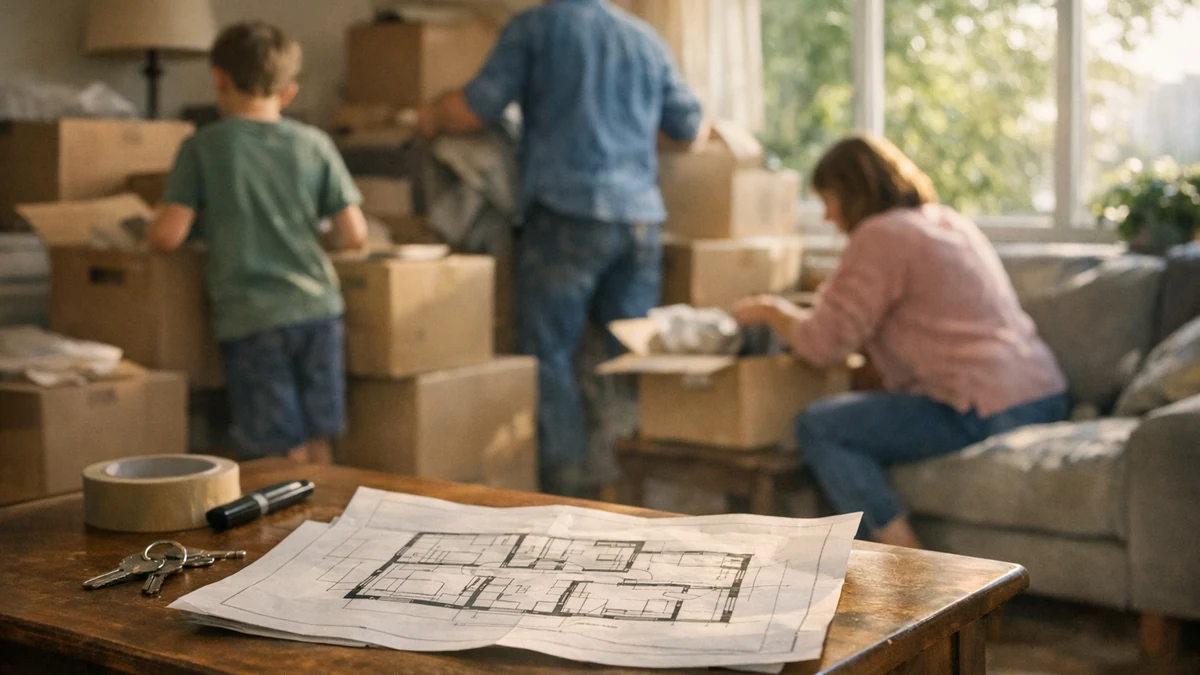
Preparing for Your Family Move
Setting a definite moving date is the first step in organizing a successful family move. A well-structured budget is equally important, allowing you to allocate funds for movers, packing supplies, and any incidental expenses. This ensures a smoother process and helps avoid last-minute financial surprises.
Setting a Moving Date
Select a date that provides ample time for planning and preparation. Ideally, choose a time that minimizes disruption to family routines, such as school holidays. This allows children to adjust without the pressure of school commitments.
Budgeting for the Move
Estimate the costs associated with moving, including hiring movers, purchasing packing materials, and transportation. Factor in any potential additional expenses, such as temporary accommodation if required. This financial roadmap will help keep expenditures in check.
Organizing and Decluttering
Efficiently organizing and decluttering can significantly ease the moving process. Begin by sorting through belongings, identifying items that are no longer needed, and determining the best way to dispose of them. This reduces the volume of items to be packed and transported.

Sorting Belongings
Go through each room and categorize items into keep, sell, or donate piles. Consider the utility and sentimental value of each item to decide whether it should make the move.
Donating or Selling Unwanted Items
Organize a garage sale or use online platforms to sell items that are in good condition but no longer needed. Donate usable goods to local charities. This not only helps reduce moving costs but also supports the community.
For more guidance, check out our decluttering made simple guide.
Packing Strategies for Families
Adopting effective packing strategies can make a significant difference in ensuring an organized unpacking experience. Labeling boxes and packing essentials separately are two critical steps in this process.
Labeling Boxes
Clearly label each box with its contents and the room it belongs to. This makes it easier to prioritize unpacking and ensures that important items are accessible when needed.
Packing Essentials Separately
Pack a separate box with essential items needed during the first few days in your new home. Include toiletries, changes of clothes, important documents, and basic kitchenware. This reduces the stress of searching through boxes immediately after arrival.
Learn about how to pack boxes for your move effectively.
Hiring Professional Movers
Choosing the right moving company is crucial for a hassle-free relocation. Understanding the different service options available can help tailor the move to your specific needs.
Choosing the Right Movers
Research moving companies, read reviews, and compare quotes before making a decision. Opt for companies with a proven track record of reliability and customer satisfaction.
Understanding Service Options
Consider full-service moving options if you prefer to leave the packing and transport to professionals. Alternatively, select a partial service if you plan to pack yourself. Each option offers different levels of convenience and cost.
Explore more on how to choose the correct storage service for your needs.
Managing Family and Pets During the Move
Handling the needs of family members and pets during a move requires careful planning. Arrangements for childcare and pet care can prevent additional stress on moving day.
Childcare Arrangements
Arrange for children to stay with relatives or friends during the busiest moving times. This can help them avoid the chaos and allow you to focus on the move.
Pet Care Plans
Secure a safe and comfortable place for pets during the move. Consider boarding options or having a friend look after them to minimize their stress and ensure their safety.
Settling into Your New Home
Efficiently unpacking and setting up utilities are key steps in transitioning smoothly into your new home. This can help establish a sense of normalcy quickly.
Unpacking Strategies
Unpack the essentials first, such as kitchen items and bedding. Gradually move on to less critical items, organizing as you go. This makes the home functional in the shortest time possible.
Setting Up Utilities
Contact utility providers in advance to ensure services such as electricity, water, and internet are active upon arrival. This avoids disruptions and facilitates a comfortable settlement.
Handling Unexpected Challenges
Even with careful planning, unexpected challenges can arise during a move. Knowing how to deal with delays and missing items can help you adapt effectively.
Dealing with Delays
If your moving date changes, communicate promptly with all parties involved. Rescheduling services and accommodations ahead of time can alleviate potential issues.
Addressing Missing Items
Inventory your belongings upon arrival. If items are missing, contact the moving company immediately to resolve the issue. It is crucial to have a list of packed items for reference.
Next Steps After Relocation
Completing post-relocation tasks ensures a smooth transition into your new environment. Updating address information and exploring the neighborhood are essential steps.
Updating Address Information
Inform banks, insurance companies, and the post office of your new address promptly. This ensures important correspondence reaches you without delay.
Exploring the New Neighborhood
Familiarize yourself with the local area by visiting nearby shops, parks, and community centers. This helps integrate into the community and makes the new location feel more like home.
Frequently Asked Questions
How long does it take to prepare for a family move?
Preparation time for a family move typically ranges from one to three months. Start by planning the logistics and gradually move on to packing and other tasks.
Can I move without hiring professional movers?
Yes, it’s possible to move without professional movers by using rental trucks and enlisting help from friends and family. However, this requires careful planning and additional effort.
What should I do with unwanted furniture before moving?
Sell or donate unwanted furniture to reduce the number of items you need to move. This can also help offset some moving costs.
How can I keep my children entertained during the move?
Provide children with games, books, or electronic devices to keep them occupied. Involving them in small, supervised moving tasks can also help.
What is the best way to pack fragile items?
Use bubble wrap, sturdy boxes, and clearly label them as fragile. Ensure items are packed tightly to prevent movement during transport.
How do I choose the right moving company?
Evaluate moving companies based on reviews, pricing, and service options. Choose one that aligns with your needs and budget.
What happens if my moving date changes?
Notify your moving company and all relevant parties as soon as possible. Adjusting arrangements early can minimize disruptions.
Can pets be transported with moving companies?
Most moving companies do not transport pets. Arrange alternative transportation or consider professional pet moving services.
What essentials should be packed separately for the first day?
Pack toiletries, chargers, clothing, and essential kitchenware in a separate box. This ensures easy access during the initial days in your new home.
How do I transfer utilities to my new home?
Contact utility providers well in advance to schedule the transfer of services. Confirm activation dates to avoid service interruptions.
What should I do if items go missing during the move?
Report missing items to the moving company immediately. Having a detailed inventory can assist in resolving the issue promptly.
How can I explore my new neighborhood effectively?
Walk or drive around the area to discover local amenities. Joining community groups or attending local events can also help you connect with neighbors.
This article is for informational purposes only. Service availability, pricing, timelines, and features may vary by location and operational requirements. Please contact XtendedSpace for the latest information and customized quotations.