
Packing fragile items requires careful attention to prevent damage during storage or relocation. Choosing the right materials and following effective packing techniques are essential.
Key Takeaways
- Use quality packing materials like bubble wrap and sturdy boxes.
- Label fragile items clearly to prevent mishandling.
- Avoid overpacking boxes to reduce the risk of breakage.
- Store items in climate-controlled environments when necessary.
- Follow a step-by-step packing guide to secure fragile items efficiently.
Introduction to Packing Fragile Items
Fragile items such as glassware, ceramics, and electronics are prone to damage if not packed correctly. Proper packing is crucial to safeguarding these items, whether relocating or storing them. Using inappropriate materials or techniques can lead to costly damages. Implementing best practices in packing can significantly reduce risks.
Materials Needed for Safe Packing
Essential Packing Supplies
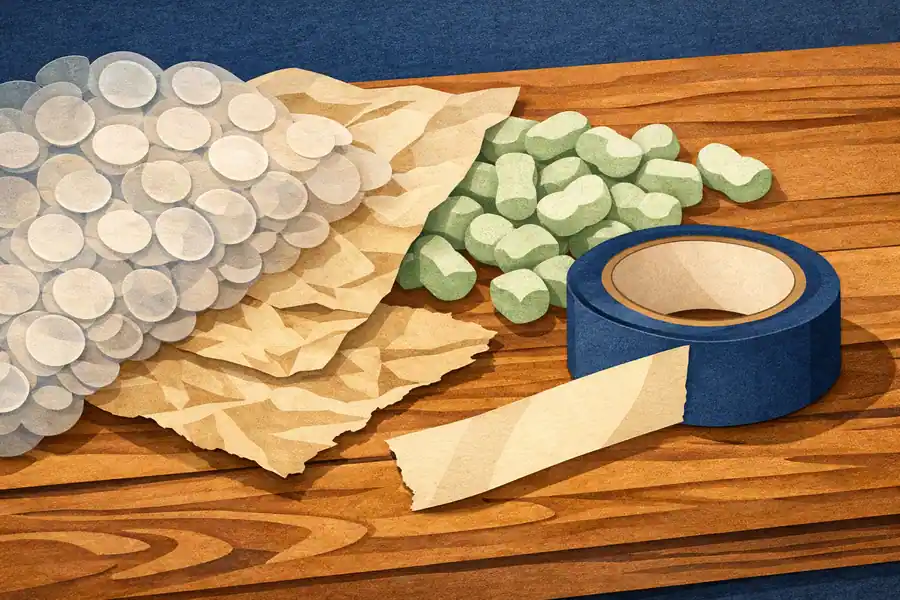
Gathering the right supplies is the first step in ensuring safe packing. Essential materials include bubble wrap, packing paper, foam peanuts, and packing tape. These materials provide cushioning and prevent movement within boxes. Consider purchasing specialized packing kits for dishware and electronics for added protection.
In addition to these, corner protectors and edge guards can be useful for items like mirrors and frames. For electronics, antistatic bubble wrap is preferable to regular bubble wrap, reducing the risk of static electricity damage.
Choosing the Right Boxes
Boxes come in various sizes, and selecting the right one is essential for protection. Opt for double-walled boxes for heavier items. Avoid using damaged or weak boxes, as they can collapse under pressure. Choose boxes that are just large enough to accommodate the item and the necessary padding.
It’s advisable to use boxes specifically designed for certain items. For instance, dish pack boxes have thicker walls and sections to keep plates and glassware secure. Wardrobe boxes with built-in hanging rods can be used for clothing, minimizing wrinkles and making unpacking easier.
Step-by-Step Guide to Packing Fragile Items
Preparing Items for Packing
Start by cleaning and drying the items thoroughly. Wrap each item individually using bubble wrap or packing paper. For glassware, consider wrapping items in soft cloths first for added protection. Ensure all fragile labels are visible to prevent accidental mishandling.
For items like paintings or artwork, use glassine paper to prevent moisture and dust from affecting the surface. Secure the wrapped item with tape, ensuring it’s tight but not strained, which could cause damage.
Securing Items in Boxes
- Line the bottom of the box with cushioning materials like foam peanuts or crumpled paper.
- Place wrapped items in the box, ensuring they are snug and not touching each other directly.
- Fill any gaps with additional packing materials to prevent movement.
- Seal the box securely with packing tape and label it as ‘fragile’.
In cases where items have unique shapes or are particularly valuable, consider using custom foam inserts. These can be cut to fit the exact dimensions of your item, offering superior protection during transport.
Common Mistakes to Avoid
Avoid common errors such as overpacking boxes or using inadequate materials. Overpacking increases the risk of items pressing against each other and breaking. Skipping the labeling of fragile items can lead to improper handling by movers or during storage.
Another mistake is neglecting to inspect items after packing. Checking for any pressure points or areas of potential damage before sealing the box can prevent issues later. Ensure that all boxes are sealed tightly, as partially sealed boxes can open during transit, spilling contents.
Storing Fragile Items Safely
Optimal Storage Conditions
Store fragile items in climate-controlled environments when possible. Extreme temperatures and humidity can damage certain items such as electronics and antique pieces. Ensure that boxes are stacked properly, with heavier boxes on the bottom and lighter ones on top.
For electronic items, consider removing batteries to prevent leakage, which can cause damage over time. Additionally, placing silica gel packets inside the boxes can help absorb moisture, offering an extra layer of protection against humidity.
Long-Term vs Short-Term Storage
For long-term storage, additional precautions like vacuum-sealing items may be necessary. Short-term storage might not require climate control, but it’s essential to revisit stored items periodically to ensure their condition. Monitor storage areas for pests and moisture regularly.
Consider the specific needs of each item type. Items such as musical instruments may require more stable conditions to preserve their integrity, while seasonal items can be stored with less stringent requirements.
Next Steps for Relocation or Storage
Once your fragile items are packed, plan the logistics of their transport or storage. If relocating, coordinate with professional movers experienced in handling fragile items. For storage, ensure your facility is secure and offers features that meet your storage needs. If you need assistance, Xtended Space in Delhi provides packing and moving solutions.
Before finalizing your storage or relocation plan, review your insurance options. Some insurance providers offer specific coverage for high-value or fragile items, which can be beneficial in case of accidental damage during transit or storage.
Frequently Asked Questions
What materials are best for packing fragile items?
Use materials like bubble wrap, packing paper, and foam peanuts. These provide cushioning and protect items from impact during transit or storage.
How do I choose the right box size for fragile items?
Pick a box that is slightly larger than the item plus padding. Ensure there is enough space for cushioning materials to prevent movement.
Can I use regular newspaper for wrapping?
Newspaper can be used, but it may leave ink stains. It’s better to use packing paper or bubble wrap for fragile items.
How long can fragile items be stored safely?
Fragile items can be stored safely for months or years if packed and stored properly. Regular checks and maintaining optimal conditions are recommended.
What happens if I pack fragile items incorrectly?
Incorrect packing can lead to breakage, scratches, or other damages. It is crucial to follow proper packing techniques.
Are there special considerations for packing glassware?
Yes, wrap each piece individually and use dividers if possible. Ensure they are packed snugly to prevent shifting.
How can I ensure items don’t shift during transport?
Fill all gaps in boxes with cushioning materials. Ensure items are snugly packed to avoid movement.
Is it safe to stack boxes containing fragile items?
Stack boxes carefully, placing heavier boxes at the bottom. Avoid stacking too high to prevent toppling over.
What should I do if I run out of packing supplies?
Purchase more supplies or consider alternative padding like towels or clothing in a pinch. Always prioritize item safety.
Can fragile items be stored in a non-climate controlled unit?
While possible, it’s not recommended for sensitive items. Climate control helps prevent damage from temperature and humidity fluctuations.
How should I label boxes with fragile items?
Clearly mark them as ‘fragile’ on all sides. This ensures handlers are aware and take extra care.
This article is for informational purposes only. Service availability, pricing, timelines, and features may vary by location and operational requirements. Please contact XtendedSpace for the latest information and customized quotations.