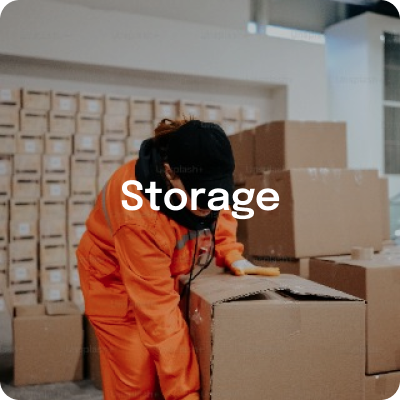
Quick Guide to Storage Solutions During Renovation
Effective storage solutions are crucial to protect your belongings during home renovation. Consider both temporary and professional storage services to keep your items safe and accessible. Evaluate your storage options before starting the renovation process.
Key Takeaways
- Evaluate space and identify essential items for storage during renovation.
- Choose between self-storage and professional storage based on your needs.
- Use quality packing materials and label boxes clearly for safe storage.
- Organize stored items for easy access and retrieval post-renovation.
- Avoid common storage mistakes such as overpacking and ignoring climate control.
Assessing Your Storage Needs
Evaluate Space
Assess the space available in your home and external locations for storing items during renovation. Measure the volume of items you plan to store and compare it with available storage space, ensuring there’s ample room without overcrowding. Consider the dimensions of larger items like furniture, which may need specialized storage solutions.
Identify Essential Items
Identify which items must be protected from renovation dust and damage. Prioritize high-value, fragile, or frequently used items for storage while considering decluttering to reduce the volume of stored goods. Items such as electronic devices, important documents, and seasonal clothing may require special attention. Why Decluttering the house Takes Time and How to make it simple?
Choosing the Right Storage Service
Self-Storage
Self-storage units offer flexibility and control over your stored items. They are ideal if you need frequent access to your belongings. Consider the travel time and effort involved in moving items to and from the facility. Additionally, check if the self-storage facility provides adequate security measures like surveillance cameras and gated access.
Professional Storage
Professional storage services offer pick-up, storage, and delivery services, suitable for large volumes or when time is a constraint. These services can be beneficial if you have bulky items like large furniture pieces that require specialized handling. Ensure you Choose the Correct Storage Service at Xtended Space. Confirm if the service includes insurance for your stored items, providing additional peace of mind.
Packing Tips for Safe Storage
Use Quality Materials
Invest in high-quality packing materials such as sturdy boxes, bubble wrap, and packing tape. Quality materials help prevent damage and ensure the longevity of stored items. Boxes should hold the weight of the contents without collapsing. Use packing peanuts or foam inserts for added protection, especially for delicate items.
Label Your Boxes
Clearly label each box with its contents and the room it belongs in. This practice aids in easy identification and retrieval once the renovation is completed. Use waterproof markers to ensure labels remain legible if exposed to moisture. Consider using color-coded labels for different rooms to streamline the unpacking process.
Organizing Stored Items for Easy Access
Arrange stored items by frequency of use, placing frequently accessed items at the front. Create an inventory list to track your belongings, helping you locate items quickly when needed. An organized storage system saves time and effort during and after the renovation. Digital tools, such as mobile apps or spreadsheets, can facilitate inventory management and item tracking.
Avoiding Common Storage Mistakes
Overpacking
Avoid overpacking boxes, as this can lead to box failure and damage to contents. Distribute weight evenly across boxes and avoid exceeding weight limits. This ensures safe handling and stacking of boxes. Use smaller boxes for heavy items like books to prevent injury during lifting and transportation.
Ignoring Climate Control
Consider climate-controlled storage to protect sensitive items from temperature fluctuations and humidity. This is important for items like electronics, artwork, and wooden furniture that can be damaged in extreme conditions. Research indicates that climate-controlled storage can help preserve the integrity of valuable items over extended periods.
Next Steps: Post-Renovation Storage Tips
After renovation, plan the transition of items back into your home. Refer to your inventory list to ensure all items are accounted for. Consider revisiting your storage needs if ongoing storage is necessary for seasonal items or decluttering purposes. Post-renovation is an ideal time to reassess which items truly belong in your living space and which could be stored or donated. Protect Your Household Storage Items During Home Renovation.
Frequently Asked Questions
How long does a typical home renovation take?
A typical home renovation can take anywhere from a few weeks to several months, depending on the project’s scope and complexity. Plan storage solutions accordingly to accommodate potential timeline extensions.
Can I store my furniture outside during renovation?
Storing furniture outside is not recommended due to exposure to weather elements and potential damage. Opt for indoor or professional storage solutions to ensure protection.
What happens if my items get damaged in storage?
If items are damaged in storage, review your contract with the storage provider for coverage details. Insurance may cover certain damages, but clarify terms upfront.
How do I choose between self-storage and professional storage?
Choose based on accessibility needs, volume of items, and budget. Self-storage offers flexibility, while professional storage provides convenience and comprehensive services.
What is the best way to pack fragile items for storage?
Use bubble wrap or foam padding for fragile items and pack them in sturdy boxes. Clearly label these boxes as “Fragile” to ensure careful handling.
How much does professional storage cost in India?
Professional storage costs vary based on location, volume, and duration of storage. Contact storage providers for tailored quotations.
Can I access my stored items during renovation?
Yes, self-storage units usually offer access during operating hours. For professional storage, check access policies with the provider.
What should I do if I need to extend my storage duration?
Contact your storage provider to extend the duration. Discuss any additional fees or contract amendments required for the extension.
How do I prepare my appliances for storage?
Clean and dry appliances thoroughly, secure moving parts, and cover them with protective materials. This preparation helps prevent damage during storage.
What are the benefits of climate-controlled storage?
Climate-controlled storage protects items from extreme temperatures and humidity, preserving their condition. It’s beneficial for sensitive items like electronics and artwork.
Is insurance necessary for stored household items?
Insurance is recommended to cover potential damages or losses. Verify coverage options with your storage provider to ensure adequate protection.
What types of items should not be stored?
Avoid storing perishable goods, hazardous materials, and items prohibited by your storage provider. Review storage guidelines to comply with policies.
This article is for informational purposes only. Service availability, pricing, timelines, and features may vary by location and operational requirements. Please contact XtendedSpace for the latest information and customized quotations.