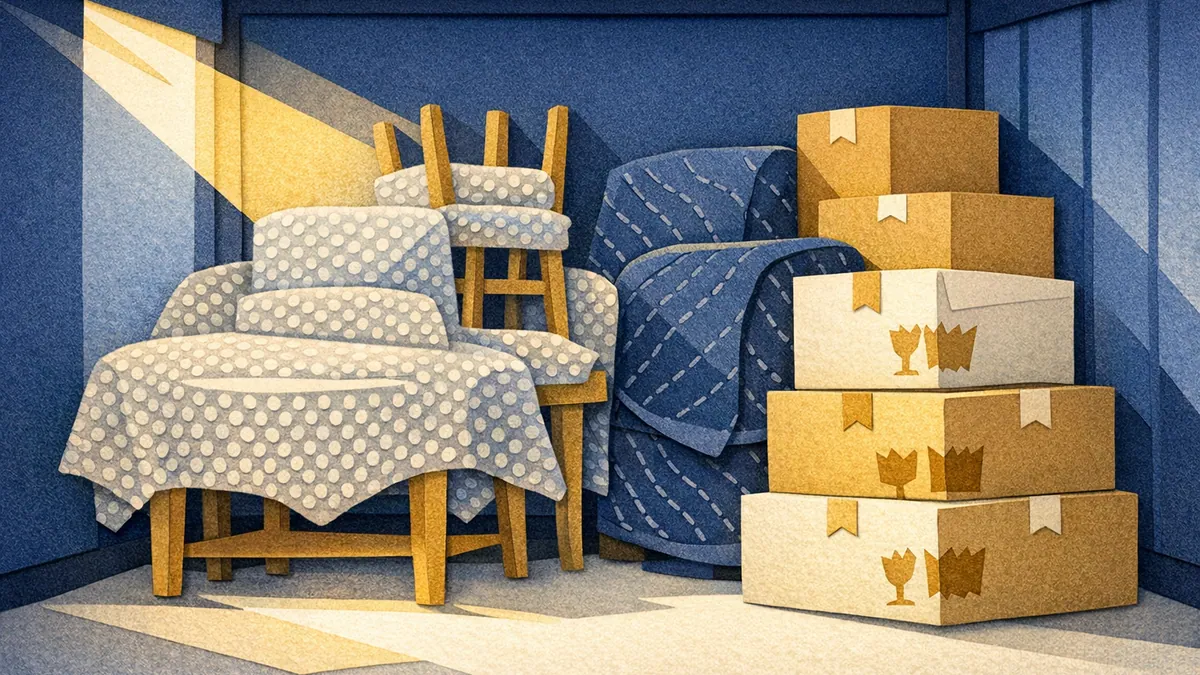
Safely packing and storing furniture for long-term storage ensures that the items remain in optimal condition over time. Proper preparation and storage techniques can significantly prolong the life of your furniture.
Key Takeaways
- Use high-quality packing materials to protect furniture.
- Disassemble large furniture items to save space and prevent damage.
- Opt for a climate-controlled storage facility to maintain furniture integrity.
- Avoid common storage mistakes to ensure furniture longevity.
- Regularly inspect stored furniture to catch potential issues early.
Understanding Long-Term Furniture Storage
Proper packing and storage of furniture are crucial for maintaining its condition over long periods. Environmental factors such as humidity and temperature fluctuations can damage furniture if not properly managed. Selecting the right storage method prevents issues like warping, mold, and pest infestations.
Consider a scenario where a wooden dining table is stored in a non-climate-controlled unit. Over time, fluctuating temperatures can cause the wood to expand and contract, leading to cracks or splits. Additionally, high humidity can foster mold growth, compromising the table’s integrity.
Essential Packing Materials for Furniture
Types of Materials
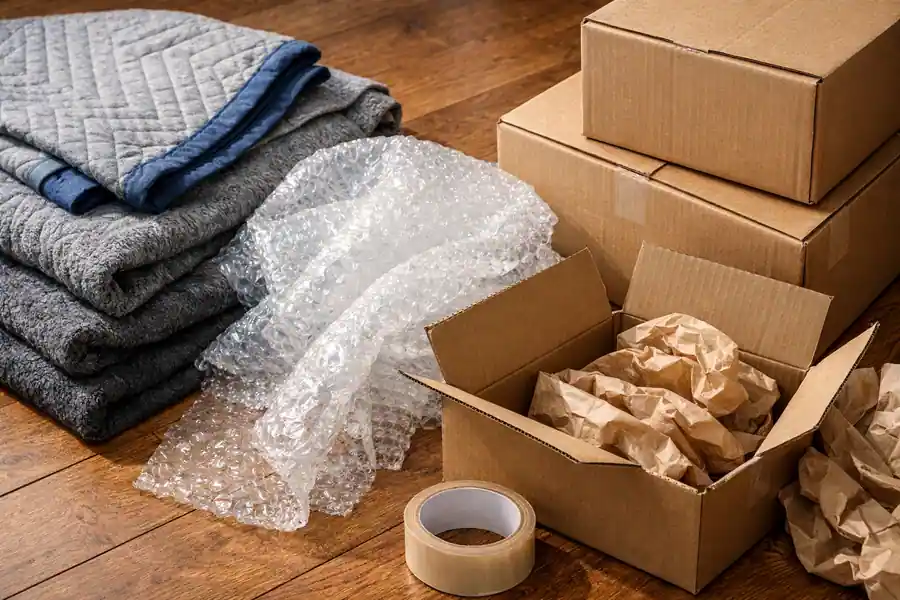
Key materials include bubble wrap, packing blankets, and sturdy boxes. Bubble wrap protects delicate surfaces, while packing blankets shield larger items from scratches. Sturdy boxes are essential for smaller items and disassembled parts.
For added protection, consider using furniture pads or foam sheets. These materials add an extra layer of cushioning, particularly useful for items with delicate finishes or intricate details.
Where to Purchase
Packing materials can be purchased from hardware stores, online marketplaces, and specialized packing supply retailers. It’s advisable to assess bulk purchase options for cost-efficiency.
Online platforms often offer competitive pricing and a wider range of options. Ensure you compare prices and read reviews to find the best quality materials for your needs.
Step-by-Step Guide to Packing Furniture
Disassembling Furniture
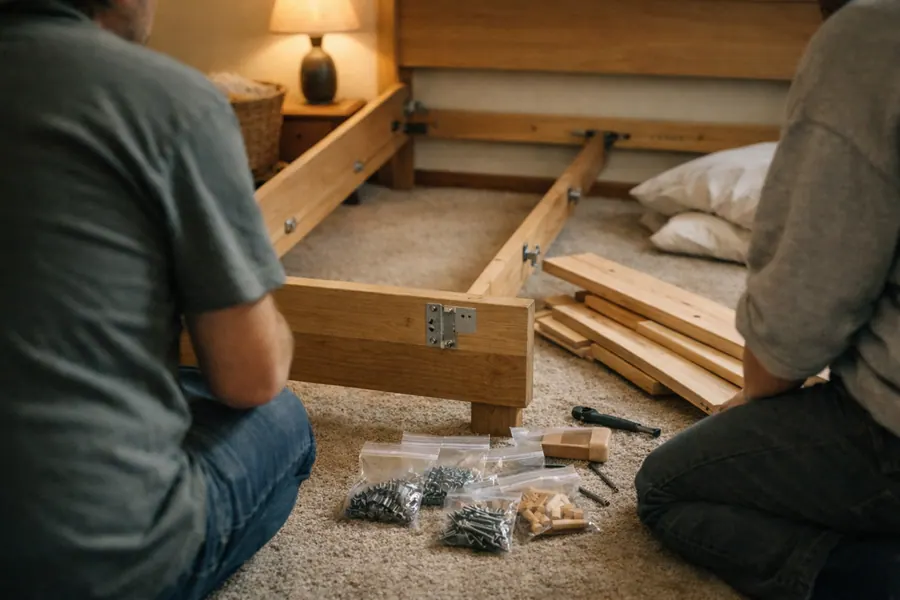
Disassemble items like beds, tables, and modular sofas. This reduces space usage and minimizes the risk of damage. Keep screws and small parts in labeled bags.
For example, when disassembling a bed frame, separate the headboard, footboard, and side rails. Label each part clearly to facilitate easy reassembly. This approach not only saves space but also prevents the components from knocking against each other during transport.
Wrapping and Protecting
Wrap furniture pieces individually using bubble wrap and packing blankets. Secure with tape, ensuring no surfaces are exposed. Pay special attention to corners and edges, which are more prone to damage.
Consider a leather sofa; it requires specific care during wrapping. Use breathable materials to prevent moisture buildup, which can damage the leather over time. Avoid wrapping in plastic directly against the surface.
Choosing the Right Storage Facility
Climate Control
For wood and upholstery, choose a climate-controlled storage facility. This helps maintain a stable temperature and humidity, mitigating risks like mold and warping.
Imagine storing a valuable antique wooden cabinet. Without climate control, the cabinet could suffer from warping due to humidity changes. Climate-controlled facilities provide a consistent environment that protects such items.
Security Features
Ensure the facility has robust security measures, such as surveillance cameras, gated access, and on-site personnel. These features safeguard your belongings from theft and vandalism.
Consider facilities that offer 24/7 surveillance and restricted access. This ensures that only authorized individuals can access the storage units, providing peace of mind regarding the safety of your items.
Common Mistakes to Avoid
Avoid packing furniture in plastic covers, as they can trap moisture and lead to mold. Do not stack heavy items on lighter or delicate pieces, as this can cause structural damage. Failing to label disassembled parts may lead to complications during reassembly.
Additionally, do not forget to clean the furniture thoroughly before storage. Dust and dirt can attract pests or cause surface damage over time. Using a gentle cleaner appropriate for the material helps maintain its condition during storage.
Next Steps After Storing Furniture
Regular Inspections
Inspect your stored furniture periodically for signs of damage or infestation. Early detection allows for timely intervention, preventing further degradation.
For instance, checking every few months for signs of mold or pests in a wooden wardrobe can prevent long-term damage. Regular inspections ensure any issues are addressed promptly.
Insurance Considerations
Consider insuring stored furniture, especially valuable items. Check with your storage provider about insurance options or consult with your insurance agent for coverage specifics.
Insurance provides an additional layer of protection against unforeseen events, such as natural disasters or theft. Ensure you understand the terms and conditions of the coverage offered.
Frequently Asked Questions
How long does furniture last in storage?
Furniture can last for many years in storage if packed and stored properly. The lifespan depends on factors like material type and storage conditions.
Can I store furniture in a non-climate-controlled unit?
While possible, it is not recommended for wooden or upholstered furniture. A non-climate-controlled unit can lead to damage from temperature and humidity fluctuations.
What happens if furniture is not packed properly?
Improper packing can result in scratches, tearing, warping, and pest infestations. Adequate packing is essential to protect furniture integrity.
How do I prevent mold on stored furniture?
Use a climate-controlled storage unit and ensure furniture is dry before packing. Avoid plastic wraps that trap moisture.
Is it necessary to disassemble furniture for storage?
Disassembling is advisable for large items to save space and reduce the risk of damage. It also facilitates easier transport and storage.
Can I store wooden furniture long-term?
Yes, wooden furniture can be stored long-term if packed and stored correctly with appropriate climate control.
What are the best materials for wrapping furniture?
Bubble wrap, packing blankets, and stretch wrap are excellent choices for wrapping and protecting furniture.
How often should I check on my stored furniture?
Regular inspections, ideally every few months, help ensure the furniture remains in good condition and any issues are promptly addressed.
What are the costs associated with long-term furniture storage?
Costs vary based on the storage facility, unit size, and additional features like climate control. Contact storage providers for specific pricing.
Can I store upholstered furniture?
Yes, upholstered furniture can be stored with proper packing and in a climate-controlled environment to prevent moisture-related damage.
Do storage facilities offer insurance for stored furniture?
Some facilities offer insurance options, while others may require separate arrangements. Verify directly with the facility.
How do I find a reliable storage facility?
Research online reviews, visit potential facilities, and ask about security and climate control features. Consider recommendations from acquaintances.
This article is for informational purposes only. Service availability, pricing, timelines, and features may vary by location and operational requirements. Please contact XtendedSpace for the latest information and customized quotations.