

- The Role of Storage in Import and Export
- How Efficient Storage Reduces Delays
- Better Inventory Visibility
- Optimized Space Utilization
- Improved Coordination with Logistics Partners
- Automation and Technology Integration
- Compliance and Documentation Management
- Safe Handling of Goods
- Scalable Solutions for Seasonal Demand
- Real-World Benefits
- Choosing the Right Storage Partner
- Conclusion
- FAQs
International trade has become a lifeline for businesses across the world. Companies import raw materials; export finished products and rely on a smooth flow of goods to keep operations running. However, one of the biggest challenges in global trade is delays. Delays in shipping, customs clearance, or inventory management can disrupt supply chains, increase costs, and even harm customer trust.
One of the most effective ways to tackle these delays is through efficient storage and warehousing solutions. Proper storage not only ensures goods are safe but also helps streamline the import/export process, making trade faster and more reliable.
The Role of Storage in Import and Export
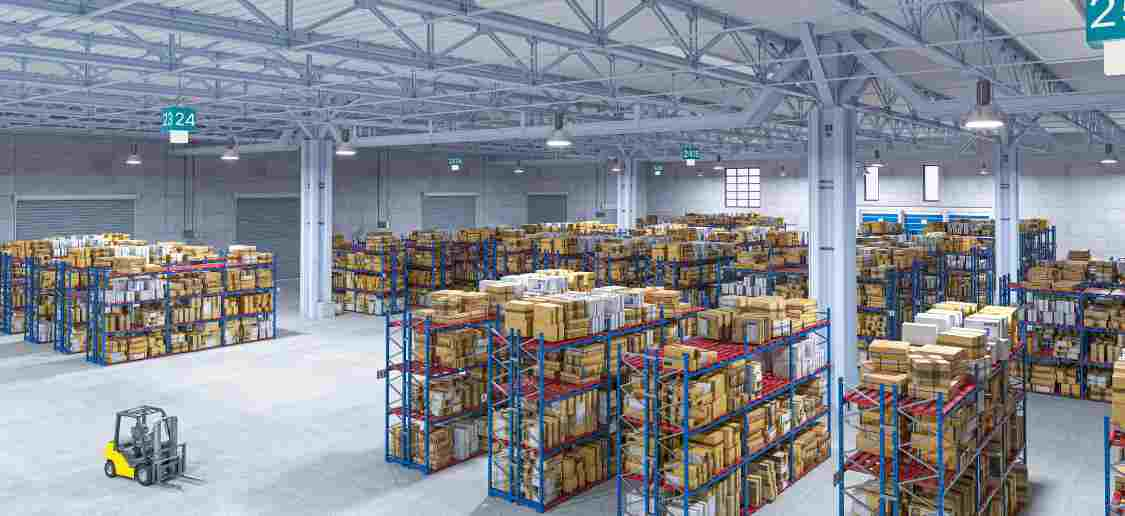
Storage, or warehousing, plays a key role in global trade. Goods often must wait at different points — in the country of origin, in transit, or at the destination country — before reaching the end customer. If the storage system is slow, disorganized, or inefficient, it can cause delays that ripple across the supply chain.
Efficient storage addresses several challenges:
- Quick Access to Goods – When products are stored systematically, they can be located and shipped faster.
- Better Inventory Management – Companies can track stock levels, reducing the chances of overstocking or stockouts.
- Improved Order Fulfillment – Efficient storage ensures orders are packed and dispatched quickly, meeting delivery timelines.
- Reduced Handling Errors – Organized warehouses minimize mistakes like sending the wrong product or damaging goods.
How Efficient Storage Reduces Delays
Faster Processing of Shipments
Time is critical in import/export. For example, perishable goods like fruits, vegetables, or medicines need to move quickly. An efficient storage system ensures goods are stored in a way that they can be picked, packed, and shipped without unnecessary delay. Automated systems like barcode scanning or RFID tags help locate items instantly, cutting down waiting times.
Better Inventory Visibility
Efficient storage includes proper inventory management. Businesses know exactly how much stock is available and where it is stored. This visibility is especially important in international trade, where goods may be spread across multiple warehouses in different countries. Knowing inventory status in real-time helps companies plan shipments better and avoid delays caused by missing or misplaced goods.
Optimized Space Utilization
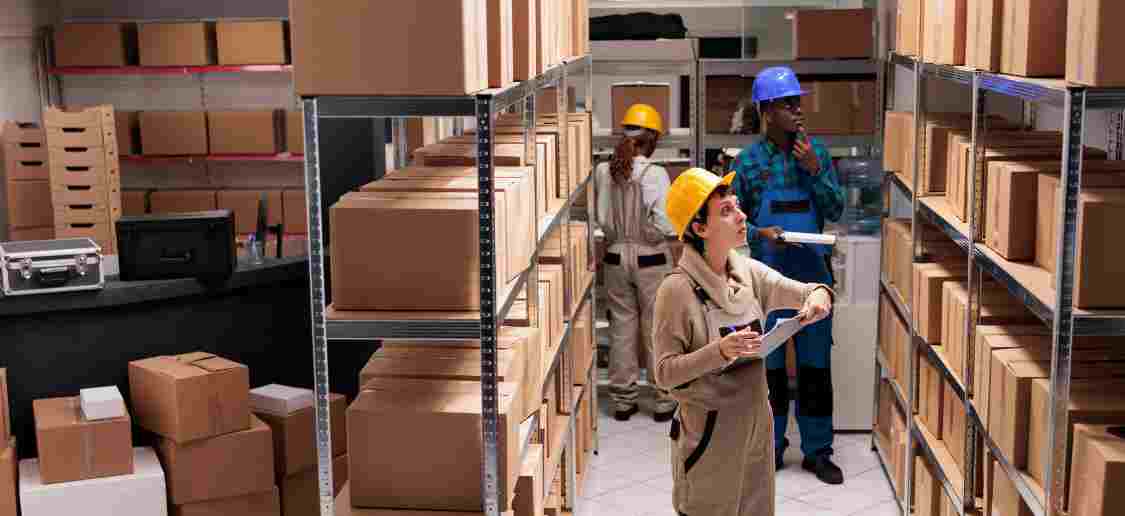
Smart storage uses space efficiently. By organizing goods based on size, weight, or frequency of dispatch, warehouses can reduce congestion. For example, fast-moving products are stored near dispatch areas for quick access, while slower-moving items are stored further away. This reduces the time spent locating and moving goods, speeding up the import/export process.
Read More: Storage Solution in Chennai for Startups to Save Office Costs
Improved Coordination with Logistics Partners
Efficient storage allows better coordination with shipping lines, customs agents, and transport companies. When goods are well-organized and documented, it becomes easier to hand them over to transport partners quickly. This reduces waiting time at loading docks and ports, which is a major cause of delays in global trade.
Automation and Technology Integration
Modern storage solutions often use automation and technology. Automated picking systems, robotic carts, and warehouse management software make operations faster and more accurate. For example, when an order is placed for export, the system automatically generates a picking list, locates the items, and prepares them for shipment. This reduces human errors and saves valuable time.
Compliance and Documentation Management
International trade involves paperwork like invoices, customs forms, and shipping documents. Efficient storage systems often integrate with digital documentation platforms. This means that when goods are ready for export, all required documents are already prepared and verified, reducing customs delays. Similarly, imports can be received and cleared faster because proper records are maintained at the warehouse.
Safe Handling of Goods
Proper storage reduces damage to goods. Fragile or high-value items are handled carefully, and storage conditions like temperature and humidity are maintained as required. When goods arrive in good condition, there’s no need for additional inspections or repacking, which can otherwise delay shipments.
Scalable Solutions for Seasonal Demand
Trade volumes often fluctuate. During festive seasons or sale periods, businesses may need extra storage space. Efficient storage systems are scalable, allowing companies to adjust capacity according to demand. This prevents bottlenecks in warehouse operations and ensures goods move smoothly in and out of the facility.
Real-World Benefits
Efficient storage doesn’t just prevent delays; it improves the overall supply chain. Businesses experience:
- Reduced Lead Times – Orders reach international customers faster.
- Lower Costs – Minimizing delays reduces extra transport or storage charges.
- Higher Customer Satisfaction – Timely deliveries build trust and repeat business.
- Enhanced Reputation – Reliable import/export operations strengthen a company’s global credibility.
For instance, consider a company exporting electronics from India to Europe. If the warehouse uses proper storage and digital tracking, products can be picked, packed, and shipped within hours. Without this system, locating items, preparing documentation, and coordinating shipments could take days, delay deliveries, and increase costs.
Choosing the Right Storage Partner
Not all warehouses are equally efficient. Choosing the right storage partner is crucial for reducing import/export delays. Look for warehouses that offer:
- Organized and systematic storage systems
- Real-time inventory tracking
- Integration with logistics and documentation processes
- Automation to speed up operations
- Compliance with international trade regulations
Companies like Xtended Space provide modern storage solutions designed to handle global trade efficiently. Their warehouses use technology to manage goods accurately, speed up shipments, and ensure smooth import/export operations.
Conclusion
Delays in imports and exports are a major challenge for businesses in global trade. However, these delays can be significantly reduced through efficient storage solutions. Proper organization, technology integration, real-time inventory tracking, and streamlined processes help goods move faster, reduce errors, and improve overall supply chain efficiency.
Investings efficient storage is not just about storing goods; it’s about creating a system that supports faster, smoother, and more reliable international trade. Businesses that adopt smart storage practices can reduce delays, save costs, and deliver better service to their customers — making them stronger players in the global market.
Efficient storage is, therefore, a cornerstone of modern trade, enabling businesses to meet deadlines, comply with regulations, and maintain a competitive edge worldwide.
FAQs
- Why is efficient storage important for import/export?
Ans:Efficient storage helps organize goods, speed up order processing, and reduce delays in shipping and customs, making international trade smoother. - How does storage reduce delays in global trade?
Ans:Organized warehouses, real-time inventory tracking, and automation allow goods to be located, packed, and shipped quickly, preventing unnecessary waiting times. - Can small businessesbenefitfrom efficient storage?
Ans: Yes. Many modern storage solutions are scalable and flexible, allowing small and medium businesses to manage imports and exports efficiently without huge investments. - What technologies are used in efficient storage?
Ans: Common technologies include barcodes, RFID tags, warehouse management systems (WMS), automation, and digital documentation platforms. - Does efficient storage help reduce costs?
Ans:Yes. By minimizing delays, reducing errors, and optimizing inventory, businesses save extra storage, transport, and handling costs.