
Start Early and Plan Efficiently
Begin your relocation process early to alleviate stress, especially when moving with children. Creating a detailed timeline ensures that each task is tackled systematically. List all rooms and items, then set realistic deadlines for packing each area. Allocate additional time for unexpected delays.
Early planning allows you to source packing materials and address logistical challenges. Begin with non-essential items, moving to everyday essentials closer to the move date. This structured approach can make the transition smoother for your entire family.
Consider the example of a family relocating from Mumbai to Bangalore. By starting their preparations three months in advance, they had ample time to declutter their home, identify items for donation, and pack gradually. This phased approach not only reduced stress but also allowed them to focus on their children’s emotional needs during the transition.
Additionally, early planning allows you to compare quotes from various moving companies, ensuring you find a service that fits your budget and requirements. You can also explore options for temporary storage if your new home isn’t ready for all your belongings immediately.
Involve Your Children in the Process
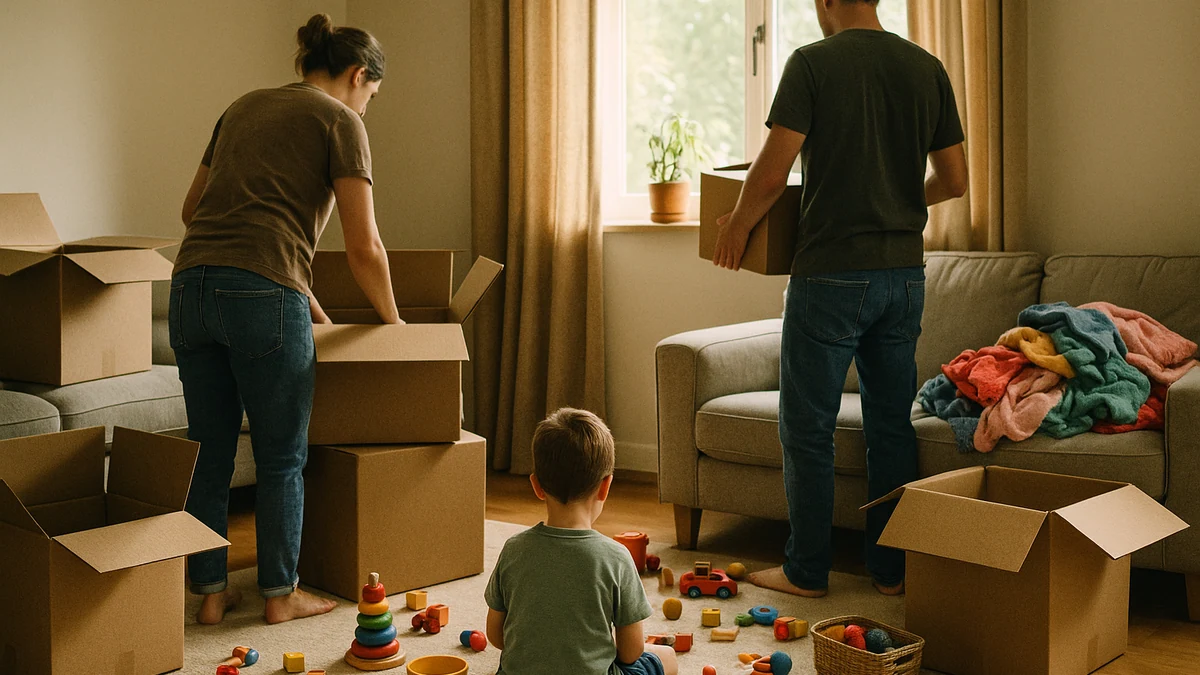
Engaging your children in the packing process can help ease their anxiety about the move. Assign age-appropriate tasks, such as packing their toys or labeling boxes with stickers. This involvement gives them a sense of control and can transform a stressful situation into a collaborative family activity.
Explain each step of the process to your children and encourage them to voice their concerns. This open communication fosters understanding and prepares them for the upcoming changes.
Consider a scenario where a family with two young children involves them by creating a ‘moving day countdown’ calendar. Each day, the children participate by packing a small box of their items and marking the day off, turning the move into a game-like experience. This strategy not only engages them but also provides a visual timeline that helps them understand the process.
Organize and Label Boxes Clearly
Proper organization and labeling of boxes are crucial for efficient unpacking. Use a clear labeling system with color-coded labels to identify which room each box belongs to. Include a brief description of contents to avoid confusion during unpacking.
Consider making an inventory list for each box, noting any fragile items. This method simplifies the unpacking process and ensures nothing is misplaced or damaged during transport. For more detailed strategies, refer to our how to pack boxes for your move guide.
Imagine a scenario where an office manager is relocating a small business. By implementing a detailed labeling system, they efficiently manage the unpacking process, ensuring minimal disruption to operations. This systematic approach can save valuable time and resources, allowing the team to resume work swiftly.
Furthermore, consider using QR codes linked to digital inventories for tech-savvy households. Scanning a code can quickly show a list of contents, making the identification process even more streamlined.
Pack an Essentials Bag for Each Child
Prepare an essentials bag for each child to keep them comfortable during the move. This bag should include favorite toys, snacks, a change of clothes, and personal care items. If your child has a favorite blanket or stuffed animal, ensure it is easily accessible.
An essentials bag minimizes disruptions and ensures children have what they need without rummaging through packed boxes. This preparation helps maintain normalcy during the transition period.
For instance, a family moving from Delhi to Chennai packed each child’s favorite bedtime storybook in their essentials bag. This small act provided comfort and familiarity, making the first night in the new home more reassuring for the children.
Additionally, consider including a small first-aid kit tailored to your child’s needs, ensuring you’re prepared for minor mishaps during the transition.
Use Child-Friendly Packing Materials
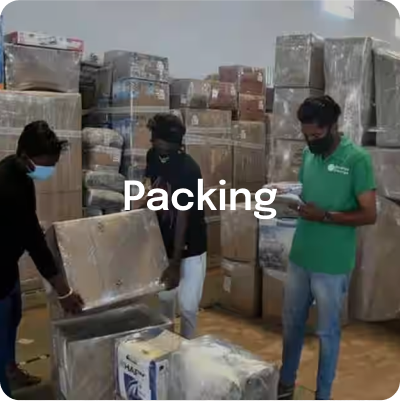
Choose packing materials that are safe and suitable for children’s items. Use bubble wrap, packing paper, and sturdy boxes to protect fragile belongings. For items like toys and clothes, consider using vacuum-sealed bags to save space and provide extra protection.
Ensure that any packing materials used do not pose a choking hazard. Opt for materials free from sharp edges or harmful substances to ensure a safe packing experience for your family.
Imagine a family moving to a smaller apartment in Hyderabad. They utilized vacuum-sealed bags for seasonal clothing and soft toys, significantly reducing the volume of packed items. This not only saved space but also ensured items remained dust-free and clean during the move.
For an added layer of protection, especially for items going into storage, consider using moisture-absorbing packets to prevent dampness, which can be particularly useful during monsoon seasons.
Consider Temporary Storage Solutions
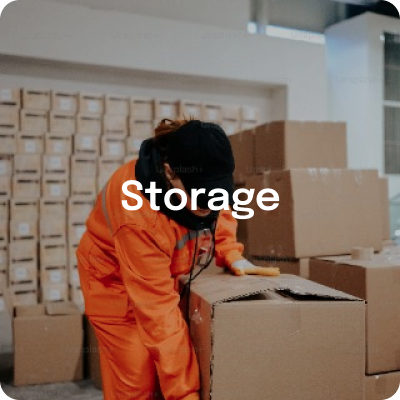
Temporary storage solutions can be useful when managing excess items during relocation. Renting a storage unit allows you to declutter your current space and focus on packing essentials. This approach can make the moving process less overwhelming.
Storage units provide a secure location for items not needed immediately. For more insights on these options, explore our article on overcoming your storage challenges during relocation.
Consider a business relocating its office space in Pune. Storing non-essential documents and equipment in a storage facility allowed them to streamline the move and set up their new office environment without clutter. This strategy is particularly beneficial for businesses undergoing phased relocations.
Additionally, if you’re downsizing, temporary storage gives you time to decide which items are essential in your new space, helping you avoid impulsive decisions that might lead to future regrets.
Prepare for the First Night in Your New Home
Planning for the first night in your new home ensures a smooth transition. Pack a separate box with essentials such as pajamas, toiletries, and basic kitchen items. Having these items readily accessible reduces stress and allows for a comfortable first night.
Consider the needs of each family member when preparing this box. A well-organized first-night kit can make settling into your new home more pleasant and efficient. For more tips, see our packing and moving guides for a hassle-free relocation.
Picture a family arriving at their new home in Kolkata after a long day of moving. By having a first-night box prepared, they avoided the chaos of searching through numerous boxes for essentials, ensuring a restful night for everyone.
Including a small toolkit in your first-night box can also be beneficial, allowing you to handle minor setup tasks like assembling children’s beds or hanging curtains without delay.
Frequently Asked Questions
How can I make packing less stressful for my children?
Involve children in the packing process by assigning age-appropriate tasks. Use open communication to address their concerns, and keep their favorite toys and comfort items accessible.
What are some tips for packing fragile items when moving with kids?
Use ample bubble wrap and packing paper to secure fragile items. Clearly label these boxes as ‘fragile’ and ensure they are stacked safely during transport.
How do I decide which items to store and which to move?
Assess the necessity and frequency of use for each item. Store away seasonal or infrequently used items and prioritize moving essentials and daily necessities.
What should I include in my children’s essentials bag?
Include favorite toys, snacks, a change of clothes, and personal care items. Ensure comfort items like blankets or stuffed animals are also included.
Are there specific packing supplies recommended for families?
Use sturdy boxes, bubble wrap, and packing paper. Consider child-safe materials free from sharp edges or harmful substances for additional safety.
This article is for informational purposes only. Service availability, pricing, timelines, and features may vary by location and operational requirements. Please contact XtendedSpace for the latest information and customized quotations.