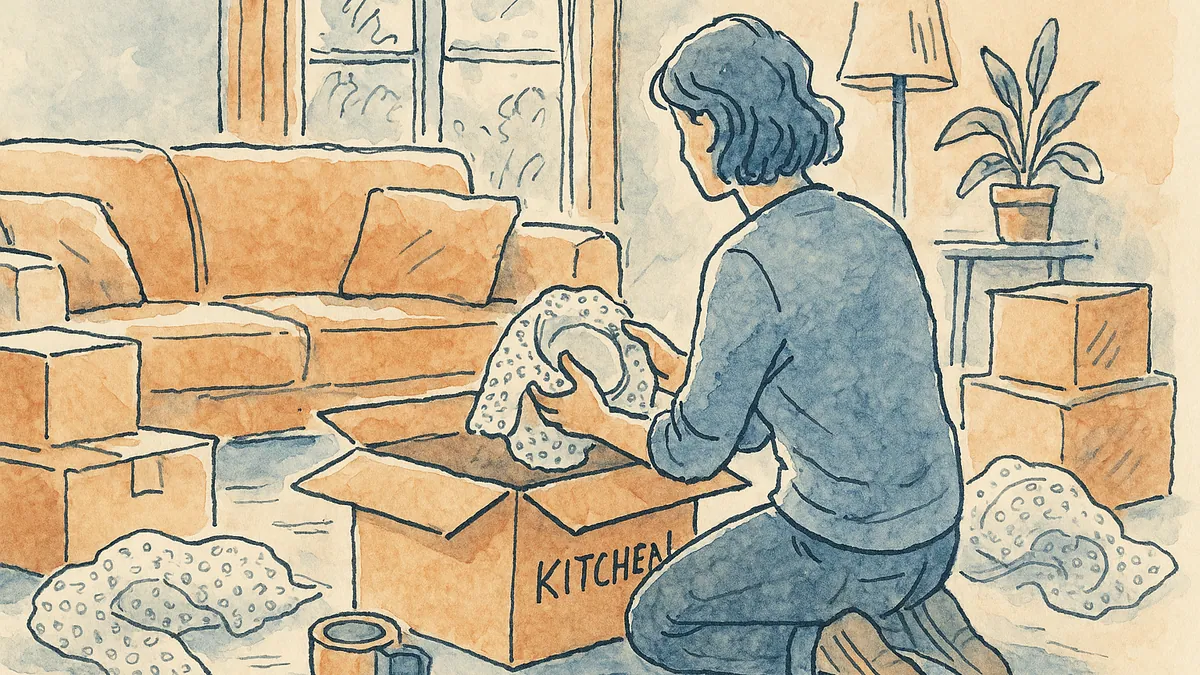

Understand the Importance of Quality Packing Materials
Choosing the right packing materials is crucial for ensuring the safety of your belongings during a move. Quality materials protect items from damage, reducing the risk of breakage or loss. This protection is particularly important for valuable or fragile items, which require additional care. Investing in suitable packing materials creates a more efficient moving process, minimizing stress and potential costs associated with damaged goods.
Consider a scenario where a family is relocating their home office equipment, including computers and monitors. Using inadequate packing materials such as thin boxes or insufficient padding might lead to costly repairs or replacements. This underscores the importance of selecting robust packing options to safeguard your investments.
Identify Essential Packing Materials for Different Items
Fragile Items
For fragile items, use bubble wrap and foam peanuts to cushion and protect them during transit. Boxes with dividers are ideal for glassware and other delicate items. Consider double-boxing valuables for extra security.
An example would be packing a collection of crystal wine glasses. Wrap each glass in bubble wrap, place them in a box with dividers, and fill any gaps with foam peanuts. This method significantly reduces the chance of damage during transportation.
Heavy Items
Heavy items like books or appliances need sturdy boxes that can support their weight. Reinforce the bottom of these boxes with packing tape to prevent them from collapsing. Use strong packing tape to secure all sides and flaps.
Imagine packing a set of hardcover books. Sturdy boxes prevent the bottom from giving way, while reinforced tape holds the structure intact. This approach ensures that even if boxes are stacked, they maintain their integrity.
Clothing and Fabrics
Wardrobe boxes are perfect for hanging clothes, preventing wrinkles and saving time on packing. For folded clothes and linens, use large, sealable plastic bags to protect them from moisture and dust. Vacuum bags can also save space by compressing items.
Consider a working professional relocating across the country. Using wardrobe boxes allows them to transfer their work attire without the hassle of ironing upon arrival, maintaining a neat and ready-to-use wardrobe in their new home.
Consider Cost-Effectiveness and Availability
Balancing quality and budget is essential when purchasing packing materials. While high-quality materials may cost more, they offer better protection and can save money by preventing damage. Compare prices from different suppliers and consider bulk buying to reduce overall costs. Ensure materials are readily available to avoid last-minute purchases and potential delays.
For instance, a small business relocating its office might find buying bulk packing materials from a wholesale supplier more economical. This approach reduces per-unit costs and ensures that materials are on hand when needed, streamlining the moving process.
Evaluate Environmental Impact of Packing Materials
Eco-friendly packing materials help reduce environmental impact. Consider using biodegradable packing peanuts and recycled cardboard boxes. Reusable containers can also be a sustainable choice, minimizing waste. Opt for materials that are easy to recycle or dispose of responsibly.
Incorporating sustainable practices, like using recycled materials, aligns with corporate social responsibility goals. An office manager might choose recycled boxes for moving office supplies, reflecting an organization’s commitment to environmental stewardship.
Avoid Common Pitfalls When Selecting Packing Materials
Avoid using low-quality materials that may not adequately protect your items. Overpacking boxes can lead to breakage, while underpacking can cause items to shift and get damaged. Ensure you choose the right size and type of box for each item to prevent these issues.
A tenant moving their apartment might be tempted to use leftover grocery store boxes. These often lack the strength required for heavier items, leading to potential mishaps. Properly sized and rated boxes ensure safety and efficiency during the move.
Plan Your Purchase and Packing Strategy
Bulk Buying Tips
Buying packing materials in bulk can be cost-effective and ensure you have enough supplies for the entire moving process. Calculate the number of boxes, rolls of tape, and other materials you’ll need based on the size of your home and the number of items.
For example, a large family preparing for a move could benefit from creating a detailed inventory of their belongings. This helps in estimating the exact amount of materials needed, preventing last-minute shortages and ensuring a smooth packing process.
Packing Timeline
Create a packing timeline to stay organized and reduce stress. Start packing non-essential items weeks in advance, gradually moving to more frequently used items. Set specific goals for each day or week to manage your time efficiently.
A practical approach might include setting aside weekends for packing specific rooms, allowing for a focused and organized packing process. This timeline helps prevent the chaos of last-minute packing and ensures all items are ready for the moving day.
Next Steps After Choosing Packing Materials
Once you have selected the appropriate packing materials, begin organizing and labeling packed items. Clear labeling helps during the unpacking process, allowing you to quickly locate necessary items. For more tips, refer to our guide on how to pack boxes for your move.
Consider color-coding your labels based on rooms or categories. This method can save time and reduce confusion when unpacking, particularly in a large household or office relocation, where multiple boxes might need to be sorted simultaneously.
Frequently Asked Questions
What are the most durable packing materials?
Durable packing materials include double-walled boxes, bubble wrap, and heavy-duty packing tape. These materials provide strong protection for your items during transit.
How can I pack fragile items securely?
To pack fragile items securely, use ample cushioning materials like bubble wrap and foam peanuts. Consider double-boxing and using boxes with dividers for added protection.
Are there eco-friendly packing material options?
Yes, eco-friendly options include biodegradable packing peanuts, recycled cardboard boxes, and reusable containers. These materials help minimize environmental impact.
How much packing material should I buy?
The amount of packing material you need depends on the size of your home and the number of items. It’s advisable to calculate your requirements based on the number of rooms and the types of items you are packing.
What is the best way to label packed boxes?
Label boxes with clear, legible writing, indicating the contents and the room they belong to. Using color-coded labels or markers can also help in quickly identifying boxes upon arrival.
This article is for informational purposes only. Service availability, pricing, timelines, and features may vary by location and operational requirements. Please contact XtendedSpace for the latest information and customized quotations.