
Determine Your Storage Needs
Assess the Volume of Items
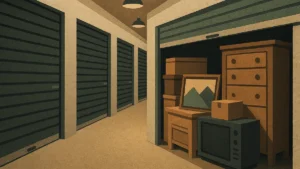
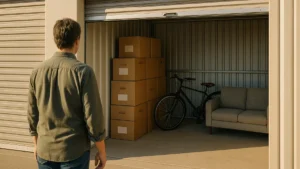
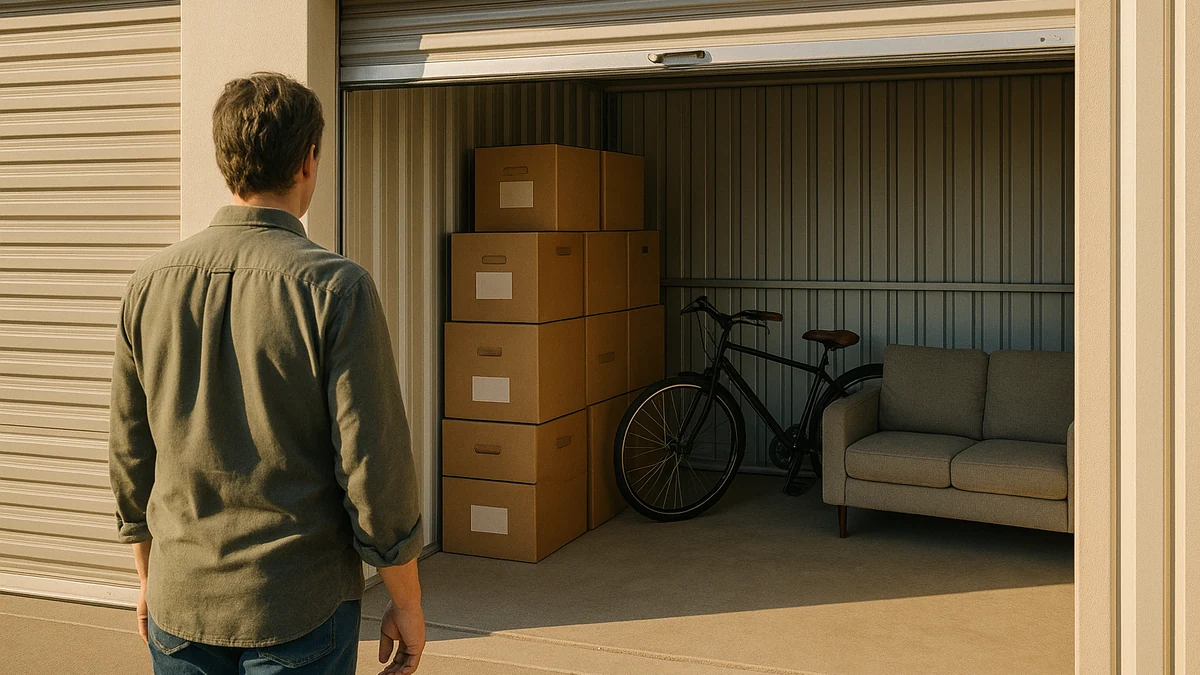
Before choosing a storage unit, assess the volume of items you plan to store. Make a list of all belongings, including furniture, appliances, boxes, and smaller items. Visualize how these items will fit together and consider using storage calculators available online to estimate the required space. This step will help you choose storage that efficiently accommodates your belongings without paying for unused space.
For instance, if you have a mix of furniture and boxes, stacking boxes on top of furniture can maximize space. However, ensure that heavy items are at the bottom to prevent damage. Additionally, disassembling furniture can save space and allow you to opt for a smaller unit, reducing costs.
Consider the Duration of Storage
The length of time you plan to store your items influences the type of storage unit you should select. Short-term storage might allow for more flexibility, while long-term storage needs may require a more secure and stable environment. Consider promotional rates for long-term contracts but be wary of potential penalties for early termination.
For example, if you plan to store items for more than a year, consider a facility offering discounts for annual payments. However, verify if these contracts have clauses that lock in current rates, protecting you from future price hikes.
Evaluate Storage Unit Sizes
Common Storage Unit Sizes
Storage units typically come in several standard sizes. Common dimensions include 5×5 feet for small items, 10×10 feet for the contents of a one-bedroom apartment, and 10×20 feet for larger household moves. If you have larger items like a vehicle, you might need a unit that is 10×30 feet or more.
Consider a 5×15 feet unit if you need to store the contents of a studio apartment or an office with multiple files and small furniture. This size offers a balance between space and cost, suitable for small business needs.
Choosing the Right Size
Selecting the right storage unit size involves balancing your current storage needs with potential future needs. Overestimating the size can lead to unnecessary costs, while underestimating can result in a lack of space. Consider consulting with storage providers to get a better understanding of what size will best fit your requirements.
If you plan to add items over time, consider a slightly larger unit initially. This prevents the need for costly transfers to larger units later. Discuss your future plans with the provider, who may offer flexible terms for unit upgrades.
Consider Location and Accessibility
Proximity to Your Home or Business
The location of your storage unit should offer convenience, especially if you need frequent access. A storage facility closer to your home or business reduces travel time and transportation costs. Evaluate various locations to find a balance between convenience and cost.
For businesses, proximity can reduce logistics costs when retrieving inventory. Consider the traffic patterns around potential storage locations to ensure timely access without delays.
Access Hours and Convenience
Check the access hours of storage facilities. Some offer 24/7 access, while others have restricted hours. Ensure the facility’s access schedule aligns with your needs, particularly if you might require access during irregular hours. Facilities with extended access may offer increased flexibility but could come at a higher cost.
Consider if the facility offers online access to manage your account or schedule visits. This feature adds convenience, especially for those with unpredictable schedules or those managing storage remotely.
Assess Security Features
On-Site Security
Security is a critical factor when selecting a storage unit. Look for facilities with robust security measures such as CCTV surveillance, gated access, and individual unit alarms. On-site security personnel are an additional layer of protection that can offer peace of mind.
Ask about the frequency of security patrols and the maintenance of security equipment. A well-maintained security system indicates the facility’s commitment to safeguarding stored items.
Insurance Options
Consider obtaining insurance for your stored items. While some facilities offer basic coverage, it might be insufficient for high-value items. Review your existing homeowner’s or renter’s insurance policy to see if it covers off-site storage or if additional coverage is necessary.
Evaluate different insurance options based on the value of your items and the facility’s risk profile. Insurance can mitigate potential losses, giving you financial protection and peace of mind.
Compare Costs and Contract Terms
Understanding the cost structure and contract terms is vital when choosing a storage unit. Compare prices across different providers, but also pay attention to hidden fees such as administrative charges or penalties for late payments. Review the terms for contract renewals and price increases to avoid unexpected costs.
Some facilities may offer tiered pricing, where costs decrease with longer commitments. Analyze these options carefully, ensuring they align with your storage timeline and financial planning.
Special Considerations for Climate-Controlled Units
When to Opt for Climate Control
Climate-controlled storage units are ideal for items sensitive to temperature or humidity fluctuations, such as electronics, antiques, and important documents. If your items fit into these categories and you’re storing them long-term, climate control is a worthwhile investment.
Consider seasonal weather changes in your area. Regions with high humidity or extreme temperatures might necessitate climate control to preserve your items’ integrity.
Benefits of Climate-Controlled Storage
The primary benefits of climate-controlled storage include protection from extreme weather conditions and prevention of mold or mildew. This type of storage is often more expensive, but it can extend the lifespan of your belongings by keeping them in a stable environment.
In addition to temperature stability, climate control can deter pests more effectively than traditional units. This feature is particularly beneficial for storing textiles or paper products.
Next Steps: Booking Your Storage Unit
Contacting Providers
After identifying your needs and potential storage units, contact providers to inquire about availability and pricing. During this phase, ask about any promotions or discounts that might apply. Be sure to clarify all terms and conditions to avoid misunderstandings.
Prepare a list of questions about security features, accessibility, and insurance options. This preparation ensures you gather comprehensive information, aiding in making an informed decision.
Finalizing the Agreement
Once you’ve selected a storage unit, finalize the agreement by reviewing the contract details. Ensure you understand cancellation policies and access procedures. Make sure the unit is clean and ready for your items before moving in.
Take a moment to inspect the storage unit for any signs of damage or previous leaks. Address any concerns with the provider before signing the contract to avoid future disputes.
Frequently Asked Questions
What items cannot be stored in a storage unit?
Items typically prohibited in storage units include hazardous materials, perishable goods, and illegal items. Always check with your storage provider for specific restrictions.
How do I know if I need a climate-controlled storage unit?
Consider climate control if you are storing temperature-sensitive items, such as electronics, artwork, or musical instruments, especially over long periods.
What are the typical costs associated with storage units?
Costs vary by location, unit size, and features. Typically, you can expect to pay more for larger units and additional amenities like climate control. Check with providers for detailed pricing.
Can I access my storage unit at any time?
Access depends on the facility’s hours. Some offer 24/7 access, while others have set hours. Confirm the access times with your chosen provider to ensure they meet your needs.
How do I estimate the size of the storage unit I need?
Estimate size by listing your items and using online storage calculators. Consulting with storage facility staff can also provide guidance based on your inventory.
This article is for informational purposes only. Service availability, pricing, timelines, and features may vary by location and operational requirements. Please contact XtendedSpace for the latest information and customized quotations.