To rent storage space in India, understanding costs and unit sizes is essential. Costs vary based on location, size, and additional features. Selecting the correct size depends on your specific storage needs.
Key Takeaways
- Storage unit costs in India depend on size, location, and amenities.
- Choose a unit size based on the quantity and type of items to store.
- Consider location, security, and accessibility when renting.
Understanding Storage Unit Costs in India
Average Pricing
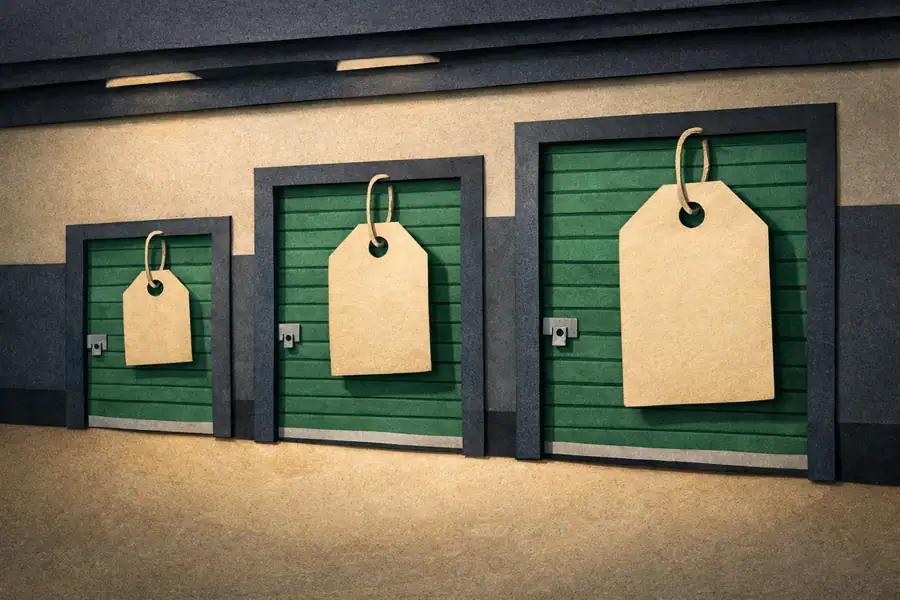
Storage unit costs in India vary widely. Typically, smaller units start around ₹1,500 per month, while larger units can exceed ₹5,000. Prices fluctuate based on city and demand, so check local listings. For example, storage units in metropolitan areas like Mumbai or Delhi may command higher prices due to the premium on space and demand.
Factors Affecting Costs
Several factors influence storage costs, including location, unit size, and added amenities like climate control. Urban areas tend to have higher prices. Evaluate these factors to estimate your budget accurately. If you require climate-controlled storage for items sensitive to temperature changes, expect additional charges. Accessibility can also impact costs, as facilities closer to major transit routes might be priced higher.
Choosing the Right Storage Unit Size
Size Options
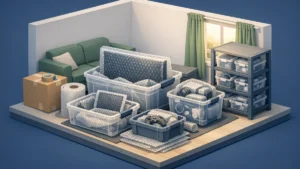
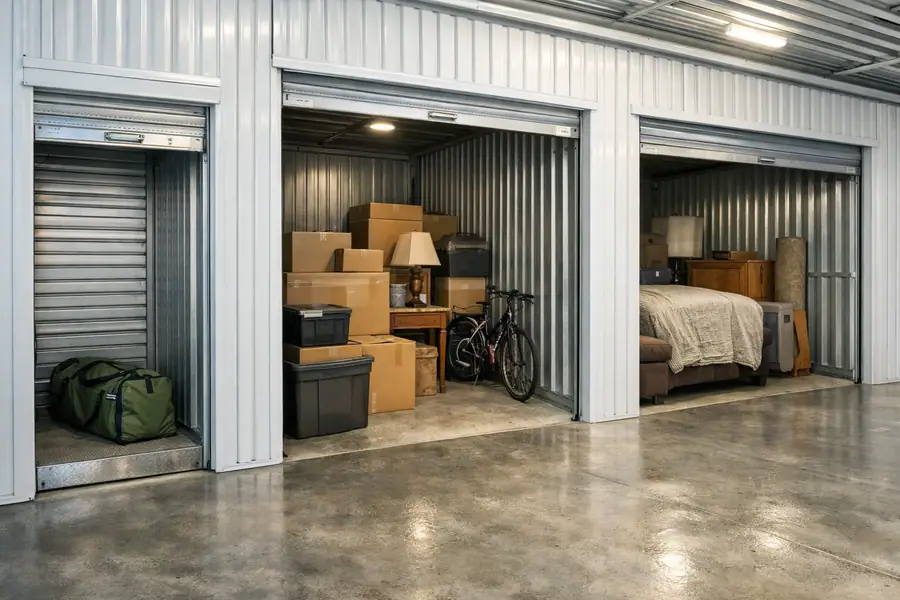
Storage units range from small lockers to large rooms. Common sizes include 5×5 feet for small items and 10×20 feet for comprehensive storage needs. Consider your inventory to select the appropriate size. As a practical example, a 10×10 unit is typically adequate for the contents of a one-bedroom apartment, including furniture and boxes, making it a versatile choice for various storage requirements.
How to Determine Your Needs
Assess your belongings to choose the right size. A 5×5 unit may fit boxes and small furniture, whereas a 10×10 can accommodate the contents of a one-bedroom apartment. Use this as a guide to avoid overpaying for space you don’t need. Creating an inventory list of items you plan to store can help visualize the space you require, ensuring you select an appropriately sized unit.
Key Factors to Consider When Renting
Location
Location affects both cost and convenience. Proximity to your home or office can save time and reduce transportation costs. Choose a location that balances affordability with accessibility. For instance, if you frequently access your stored items, a facility closer to main roads or public transport might be beneficial despite a slightly higher cost.
Security Features
Security is crucial for peace of mind. Look for units with 24/7 surveillance, secure locks, and controlled access. These features help protect against theft and unauthorized access. Some facilities offer biometric access or individual alarm systems for each unit, providing an enhanced level of security for valuable or sensitive items.
Accessibility
Consider how often you’ll need to access your belongings. Some facilities offer 24-hour access, while others have limited hours. Ensure the unit’s access aligns with your schedule and requirements. If you anticipate needing to retrieve items frequently, facilities with drive-up access can offer significant convenience and ease of use.
Common Use Cases for Storage Units
Homeowners and Renters
Homeowners and renters use storage units during renovation projects to keep furniture safe. They also serve as a solution for decluttering or storing seasonal items like decorations and sports equipment. Additionally, renters who temporarily relocate for work or travel can use storage units to keep their belongings secure without maintaining a full lease.
Businesses and Warehouses
Businesses use storage units to manage inventory overflow or archive documents. They provide a cost-effective way to expand storage capacity without investing in new facilities. Warehouses benefit from using units for short-term storage needs. Start-ups and small businesses can particularly benefit by using storage units as flexible inventory management solutions as they scale.
Potential Pitfalls and How to Avoid Them
Hidden Costs
Read the contract carefully to avoid hidden fees, such as late payment penalties or mandatory insurance. Ask for a detailed breakdown of costs before signing. This transparency helps prevent unexpected charges. It’s also wise to confirm if there are any administrative fees or charges for accessing your unit outside of regular hours.
Lease Terms
Understand the lease terms, including duration and renewal policies. Some contracts might lock you into long-term commitments. Ensure flexibility in lease terms to accommodate changes in your storage needs. Short-term or month-to-month lease options can provide the flexibility needed if your storage requirements are uncertain or likely to change.
Next Steps to Rent a Storage Unit
Contacting Providers
Reach out to multiple storage providers to compare offerings. Inquire about availability, features, and pricing. This approach helps you make an informed decision based on your requirements. Consider visiting the facilities in person to assess the condition of the units and verify the security measures in place.
Finalizing the Agreement
After selecting a provider, review the contract in detail. Confirm terms, costs, and any added services. Once satisfied, proceed to finalize the agreement, ensuring all your conditions are met. Clarify the process for terminating the agreement if you need to vacate the unit earlier than expected, and confirm any refund policies for early termination.
Frequently Asked Questions
How long does it take to rent a storage unit?
Renting a storage unit can typically be completed in a few hours to a day, depending on the provider and required paperwork.
Can I store furniture in a storage unit?
Yes, most storage units can accommodate furniture. Choose a unit size that matches your furniture’s volume for optimal storage.
What happens if I miss a payment on my storage unit?
Missing a payment may result in late fees or restricted access. Continued non-payment could lead to auctioning of stored items. Communicate with your provider to avoid complications.
Is insurance required for storage units?
Insurance is often recommended but not always mandatory. It protects against theft and damage. Check with your provider for specific requirements.
What size storage unit do I need for a 3-bedroom house?
A 10×20 feet unit is typically suitable for the contents of a 3-bedroom house, including furniture and appliances.
Can I access my storage unit anytime?
Access hours vary by facility. Some offer 24/7 access, while others have set hours. Verify access policies during rental negotiations.
What are the payment options for storage rentals?
Payment options usually include monthly billing via credit or debit card. Some providers also accept online payments or bank transfers.
Are there any items I cannot store in a unit?
Prohibited items often include perishable goods, hazardous materials, and illegal substances. Check with the facility for a complete list of restrictions.
How secure are storage units?
Storage units vary in security features. Look for facilities with surveillance, access control, and robust locks for enhanced security.
Can businesses rent storage units for inventory?
Yes, businesses frequently rent storage units for inventory management, providing a flexible solution for overflow and seasonal stock.
What is the minimum rental period for a storage unit?
The minimum rental period is often one month, but some facilities may offer weekly terms. Confirm the minimum duration with your provider.
Do storage units offer climate control options?
Some facilities offer climate-controlled units to protect sensitive items from temperature and humidity fluctuations. Inquire about availability if required.
This article is for informational purposes only. Service availability, pricing, timelines, and features may vary by location and operational requirements. Please contact XtendedSpace for the latest information and customized quotations.