
Top 7 Tips for Safe and Efficient Home Relocation
Relocating your home can be a complex process, but planning ahead can save you from unnecessary stress. Follow these tips for a smooth transition to your new home.
Key Takeaways
- Start planning your move early to avoid last-minute rush.
- Declutter to reduce moving load and costs.
- Hire reputable movers for a hassle-free experience.
- Pack strategically to protect your belongings.
- Update your address and transfer essential services timely.
Start Planning Early
Create a Timeline
Begin your home relocation by creating a detailed timeline. Determine your moving date and work backward to set deadlines for each task. This organizes your efforts and ensures you don’t miss critical steps.
Set a Budget
Setting a budget is crucial for keeping relocation costs in check. Consider expenses for packing materials, moving services, and any new purchases needed for your new home. A clear budget helps in making informed decisions without overspending.
For example, if your budget for the move is ₹50,000, allocate specific amounts for each aspect, such as ₹15,000 for movers, ₹5,000 for packing materials, and ₹10,000 for unexpected expenses. This breakdown prevents overspending in any one area.
Declutter Your Home

Sort and Donate
Before packing, sort through your belongings. Identify items you no longer need and consider donating them. This reduces the volume of goods to move and helps someone in need.
For instance, clothing, books, and small appliances are often in demand at local charities. Donating these items not only benefits others but also provides you with potential tax benefits, depending on the organization and local laws.
Sell Unwanted Items
For valuable but unnecessary items, consider selling them online or through a garage sale. This can offset some moving expenses and lighten your load.
Platforms such as OLX and Quikr are popular in India for selling used goods. By pricing items reasonably and providing clear photos, you can quickly find buyers who will collect directly from your home.
Hire Professional Movers
Research and Compare
Research multiple moving companies and compare their services. Look for companies specializing in safe relocation with experience in moves similar to yours. Consider their service offerings and pricing before deciding.
For example, if you have a piano or other heavy, delicate items, ensure the moving company has specific expertise in handling such goods. Specialized services may come at a premium but are worth the investment for safety.
Check Reviews
Check reviews from previous customers for insights into the reliability and efficiency of movers. Look for consistent positive feedback and note any red flags.
Pay attention to reviews about punctuality and care in handling items, as these are crucial for a stress-free moving experience. A company with numerous complaints about damaged goods or missed deadlines should be approached with caution.
Pack Strategically
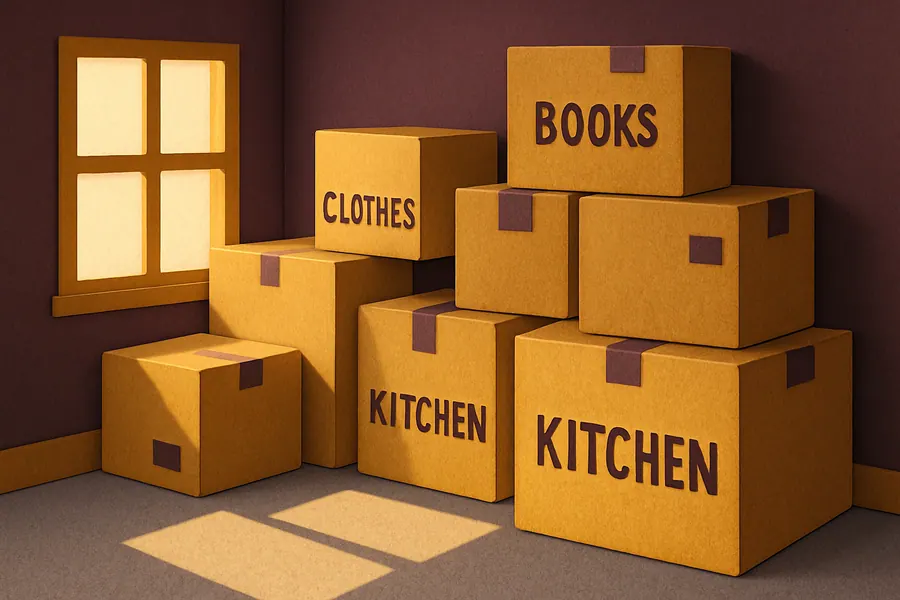
Label Boxes Clearly
Label all boxes with their contents and the room they belong to. This aids in efficient unpacking and helps movers know where to place each box in the new home. Use a bold marker for visibility.
Consider using colored stickers to designate different rooms. This visual cue speeds up the process for movers and makes it easier for you to organize boxes at a glance once they arrive at your new home.
Use Quality Packing Materials
Invest in quality packing materials to protect your belongings during transit. Use sturdy boxes, bubble wrap, and packing tape to secure fragile items. This can prevent damage and provide peace of mind during the move. For more tips, see How to Pack Boxes for Your Move Without Making These Mistakes.
Using old newspapers for padding may be cost-effective, but they might not provide enough protection for delicate items. Consider using foam peanuts or air pillows for added cushioning.
Notify Essential Services
Update Address
Notify all relevant parties of your new address, including banks, insurance providers, and subscription services. This ensures important documents and correspondences are not lost.
Many services allow online updates, which can save time and effort. Keep a checklist to ensure no essential service is overlooked during this transition.
Transfer Utilities
Arrange for the transfer of utilities such as electricity, water, and internet services to your new address. Confirm with your service providers about any specific requirements for the transfer process.
Some utility companies may require a security deposit for new connections. Verify these details to avoid unexpected charges on your first bill at the new home.
Prepare an Essentials Box
Pack Daily Necessities
Prepare an essentials box with items you’ll need immediately upon arrival, such as toiletries, a change of clothes, and basic kitchen supplies. Having these items handy can make the first few days in your new home more comfortable.
Include snacks or easy-to-make meals, as setting up the kitchen may take some time. This ensures you have sustenance without needing to order takeout immediately.
Keep Important Documents Handy
Ensure all important documents, such as passports, medical records, and legal papers, are easily accessible. Keep these in a separate, clearly marked folder that you can carry with you during the move.
Consider storing electronic copies of these documents on a secure cloud service. This provides an additional backup in case of misplacement during the move.
Inspect Your New Home
Check for Repairs
Before moving in, inspect your new home for any repairs that need addressing. This is easier to do before your belongings arrive and allows you to start fresh in a well-maintained space.
Check for issues like leaky faucets, faulty electrical outlets, or damaged flooring. Document any problems and arrange for repairs before your move-in date to avoid inconveniences.
Clean Before Moving In
Conduct a thorough cleaning of your new home before move-in day. This sets the stage for a fresh start and ensures your new living environment is hygienic and welcoming.
Focus on areas like the kitchen and bathrooms, which see the most use. Hiring professional cleaners for a deep clean can be a worthwhile investment for peace of mind.
Frequently Asked Questions
How long does it take to plan a home relocation?
Planning a home relocation typically takes two to three months. This timeframe allows for thorough organization, selection of moving services, and proper packing. However, starting earlier can provide additional flexibility.
Can I move without professional movers?
Yes, it is possible to move without professional movers, but it requires careful planning and assistance from friends or family. Renting a truck and managing logistics yourself can reduce costs but may increase stress and effort.
What happens if I don’t declutter before moving?
Failing to declutter can lead to higher moving costs and unnecessary stress. You may end up with an overcrowded new home and face added expenses from transporting unwanted items.
How do I choose the best moving company?
Choose the best moving company by researching options, comparing services and prices, and reading customer reviews. Look for companies with a good reputation for efficient moving and safe relocation practices.
What packing materials should I use for fragile items?
Use sturdy boxes, bubble wrap, packing peanuts, and packing tape for fragile items. Ensure each item is secured and boxes are labeled as fragile to prevent damage during transit.
How can I ensure my utilities are ready at the new home?
Contact your utility providers in advance to schedule the transfer of services. Confirm the activation dates and check if any additional installation is required.
What should be in my essentials box?
Your essentials box should include toiletries, basic kitchen utensils, important documents, medication, and a change of clothes. Packing these items separately ensures easy access upon arrival.
How do I update my address for essential services?
Update your address through official websites or customer service centers of your banks, insurance providers, and other essential services. Some services may also allow updates through mobile apps.
What are common moving day mistakes?
Common moving day mistakes include not having a plan, failing to label boxes, and forgetting to pack an essentials box. These oversights can lead to confusion and delays.
How can I reduce stress during relocation?
Reduce stress by planning early, staying organized, and using professional movers. Break tasks into manageable steps and take breaks to avoid feeling overwhelmed.
What is the best time of year to move house?
The best time to move is typically during the off-peak months, such as late fall or winter, to avoid high demand and potentially lower costs. However, the timing can vary based on personal circumstances.
Are there any items I should not pack myself?
Items such as valuables, legal documents, and irreplaceable items should be kept with you rather than packed for the move. Professional movers may also advise on specific items that require special handling.
This article is for informational purposes only. Service availability, pricing, timelines, and features may vary by location and operational requirements. Please contact XtendedSpace for the latest information and customized quotations.