
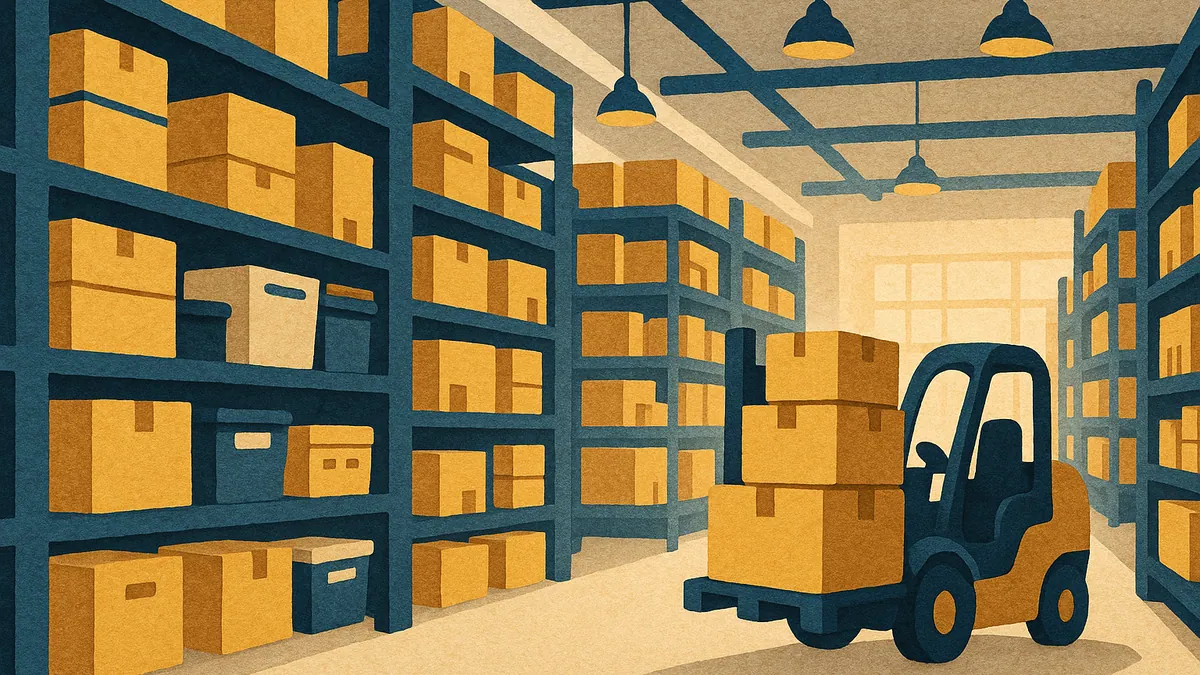

Understanding Inventory Storage and Its Role in Business Operations
Inventory storage is crucial for business operations, forming the backbone of supply chain management. It involves storing goods and materials systematically to ensure their timely availability. Effective inventory storage impacts business efficiency and customer satisfaction. For instance, a well-organized storage system allows a retailer to promptly restock shelves, reducing customer wait times and enhancing the shopping experience.
What is Inventory Storage?
Inventory storage encompasses methods and practices for storing goods until needed for production or sale. Its goal is to balance stock levels to meet demand while minimizing costs. Effective storage prevents overstocking and reduces holding costs. For example, a manufacturing firm might use a just-in-time inventory system to ensure components arrive as needed, reducing warehouse space requirements and associated costs.
How Inventory Storage Supports Business Operations
Improving Efficiency
Proper inventory storage enhances operational efficiency by organizing stock systematically. This reduces the time spent locating items, leading to faster processing times. For example, an e-commerce company with a well-organized inventory system can fulfill orders more quickly. Efficient layouts and labeling can decrease picking times by up to 50% according to industry reports.
Reducing Costs
Inventory storage is key to cost management. By optimizing space and using efficient systems, businesses can lower overhead costs. Just-in-time inventory systems minimize waste and reduce storage expenses. For example, a study from 2026 indicates that businesses implementing these systems have seen a reduction in storage costs by approximately 30%.
Enhancing Customer Satisfaction
Effective inventory storage helps meet customer demands by ensuring product availability, reducing order delays, and enhancing the customer experience. A retail store with accurate inventory can promptly restock shelves, encouraging repeat business. Inadequate storage can lead to stockouts, which frustrate customers and damage brand reputation.
Types of Inventory Storage Solutions
Warehousing
Warehousing involves renting or owning space to store goods. Suitable for businesses with large inventory needs, it requires careful layout planning to maximize space. Warehousing provides security and climate control. For instance, a pharmaceutical company might use warehousing to store bulk medications under controlled conditions to maintain efficacy.
On-Demand Storage
On-demand storage offers flexibility for businesses with varying inventory needs. It allows renting space as needed, providing scalability and cost-effectiveness. Ideal for startups and small businesses. An example is a seasonal clothing retailer that increases storage space during peak seasons and scales down during off-peak periods.
Cold Storage
Cold storage is essential for perishable goods, maintaining specific temperatures to preserve quality. It is crucial for compliance with health and safety regulations. A fresh produce distributor relying on cold storage can extend shelf life by up to 50%, reducing waste and ensuring quality.
Key Considerations for Choosing Inventory Storage
Location
Location impacts operational efficiency. A strategically placed facility reduces transportation costs and delivery times. Proximity to major transport hubs is often critical. For example, a facility near a major highway or port can significantly speed up shipping processes.
Space Requirements
Assess your space requirements based on current inventory and future growth. Accurate assessment avoids overpaying for unused space or dealing with insufficient capacity. A business expecting a 20% annual inventory growth should plan for additional space accordingly to avoid disruptions.
Security Measures
Security is crucial in inventory storage. Facilities should offer surveillance, access controls, and fire protection to safeguard inventory. Evaluate security features to prevent theft and damage. According to industry estimates, businesses can reduce inventory loss by 40% with enhanced security measures.
Common Challenges in Inventory Storage
Space Optimization
Maximizing storage space is challenging. Inefficient use leads to clutter. Vertical storage solutions and proper shelving can optimize space. For example, implementing a high-density shelving system can increase usable space by 80% compared to traditional methods.
Inventory Tracking
Accurate tracking prevents stockouts and overstocking. Inventory management software provides real-time visibility and aids decision-making. A company using RFID technology can reduce inventory errors by up to 95% as of 2026.
Seasonal Fluctuations
Managing seasonal demand fluctuations requires planning. Strategize based on historical data and forecasts to handle peak seasons effectively. A retailer might stock up on winter apparel in advance, analyzing sales data to predict peak demand periods accurately.
Best Practices for Efficient Inventory Storage
Regular Audits
Conduct regular audits to maintain stock accuracy. Audits identify discrepancies and enable timely adjustments, ensuring data reliability. A bi-annual audit cycle can significantly reduce inventory discrepancies and improve accuracy.
Technology Integration
Integrate technology like barcode scanners and inventory management systems to streamline processes. These tools enhance tracking and efficiency. Businesses that adopt these technologies report a 20% improvement in inventory turnover rates.
Staff Training
Train staff in inventory management best practices. Well-trained employees reduce errors and enhance productivity. Ongoing training programs result in a 15% reduction in handling errors, leading to smoother operations.
Next Steps for Implementing Inventory Storage Solutions
Assess your current inventory practices and identify areas for improvement. Engage with a professional storage provider to explore tailored options. Evaluate storage solutions to align with operational goals. Consider consulting with industry experts to optimize your storage strategy effectively.
Frequently Asked Questions
What is the difference between warehousing and inventory storage?
Warehousing is the physical space for storing goods, while inventory storage includes managing and organizing these items. Warehousing is a component of inventory storage.
How can I optimize my current inventory storage?
Optimize storage by assessing space utilization, using management software, and conducting audits. Consider vertical solutions and proper organization.
What are the costs associated with inventory storage?
Costs include rent, security measures, and management systems. They vary based on storage type and location.
How does inventory storage impact supply chain efficiency?
Effective storage enhances supply chain efficiency by ensuring product availability and reducing lead times, improving customer satisfaction.
What technology is used in modern inventory storage?
Modern storage uses barcode and RFID systems, management software, and automated systems to improve accuracy and efficiency.
Choose the Correct Storage Service at Xtended Space for more insights. Explore Where Your Business Inventory Finds the Perfect Home to understand how XtendedSpace can meet your needs. For logistics support, refer to How Do Business Logistics Services Help You?
This article is for informational purposes only. Service availability, pricing, timelines, and features may vary by location and operational requirements. Please contact XtendedSpace for the latest information and customized quotations.