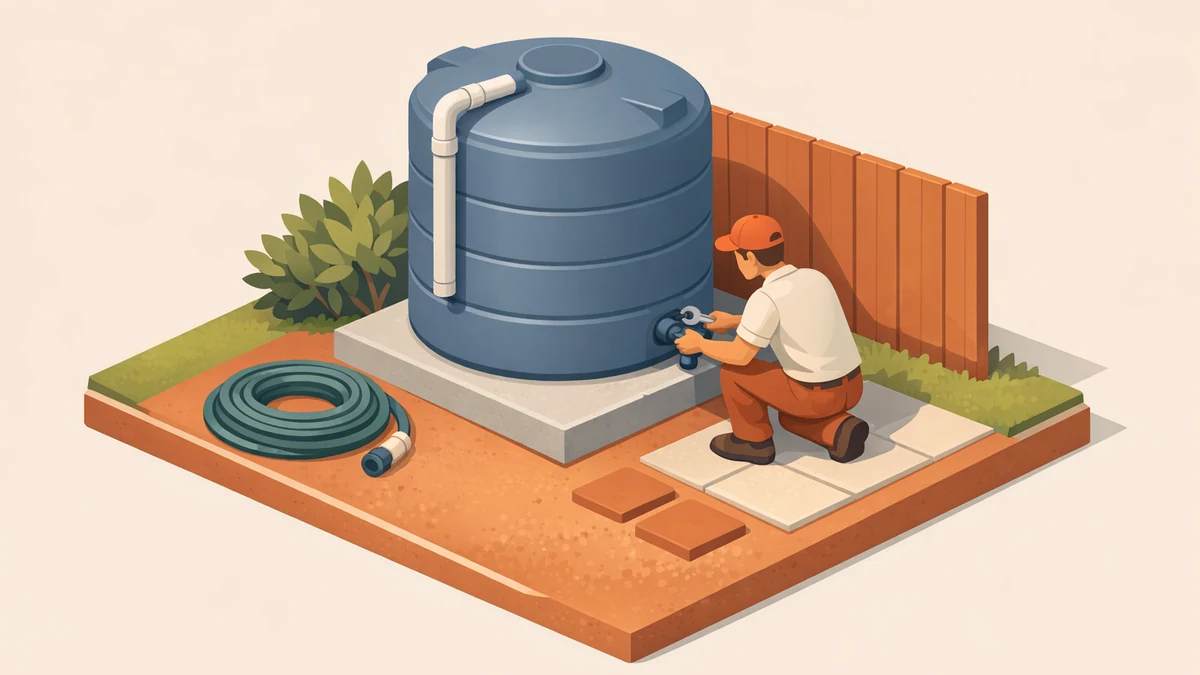
Proper water tank storage ensures safety and longevity. A well-stored tank minimizes contamination and damage, preserving water quality. Consider these practices to maintain integrity and functionality.
Key Takeaways
- Choose a storage location that minimizes exposure to sunlight and temperature fluctuations.
- Clean and inspect the water tank thoroughly before storage to prevent issues.
- Perform regular checks and maintenance during storage to ensure optimal conditions.
- Be aware of common storage mistakes to avoid compromising the tank’s integrity.
- Seek professional help when needed to maintain the tank’s safety and effectiveness.
Why Proper Water Tank Storage Matters
Correct storage prevents contamination and extends the tank’s lifespan. Improper storage can lead to algae growth, leaks, or damage, compromising water quality. Following best practices safeguards your investment and the health of those relying on the stored water.
Choosing the Right Location
Indoor vs. Outdoor
Decide based on available space and environmental conditions. Indoor storage offers temperature control and protection, reducing damage risk. For outdoor storage, ensure security and shielding from harsh weather. Consider an example of a homeowner in a region with extreme seasonal changes; indoor storage can prevent freezing in winter and overheating in summer.
Avoiding Direct Sunlight
Direct sunlight can cause chemical reactions and algae growth. Choose a shaded area or use a cover to protect your tank from UV rays. **Minimizing sunlight exposure** is crucial for maintaining water quality. For instance, a business storing water tanks on a rooftop should install UV-resistant covers to reduce sunlight exposure drastically.
Preparation Before Storage
Cleaning the Tank
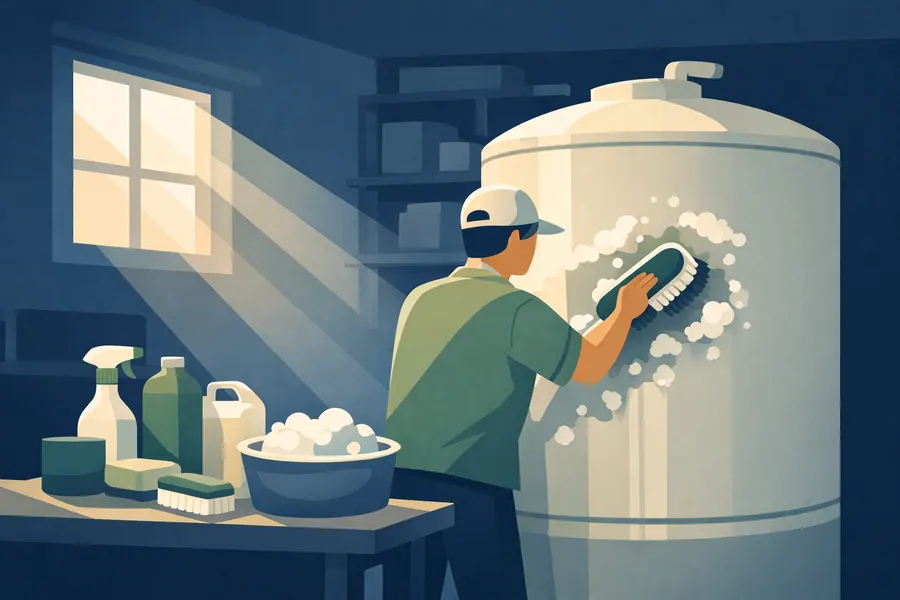
Clean the tank thoroughly to eliminate sediment or bacteria. Use a non-toxic cleaning solution and ensure all residues are washed away. This step prevents contamination during storage. A homeowner preparing for monsoon season might opt for a bi-annual cleaning schedule to prevent mold growth, thus ensuring safe water storage.
Inspection for Damage
Inspect the tank for cracks or leaks. Address issues before storage to prevent further deterioration. Regular inspections are key to **water tank maintenance**. For example, a property owner who discovers a minor leak early can avoid significant water loss and repair costs by addressing it immediately.
Best Practices During Storage
Regular Checks
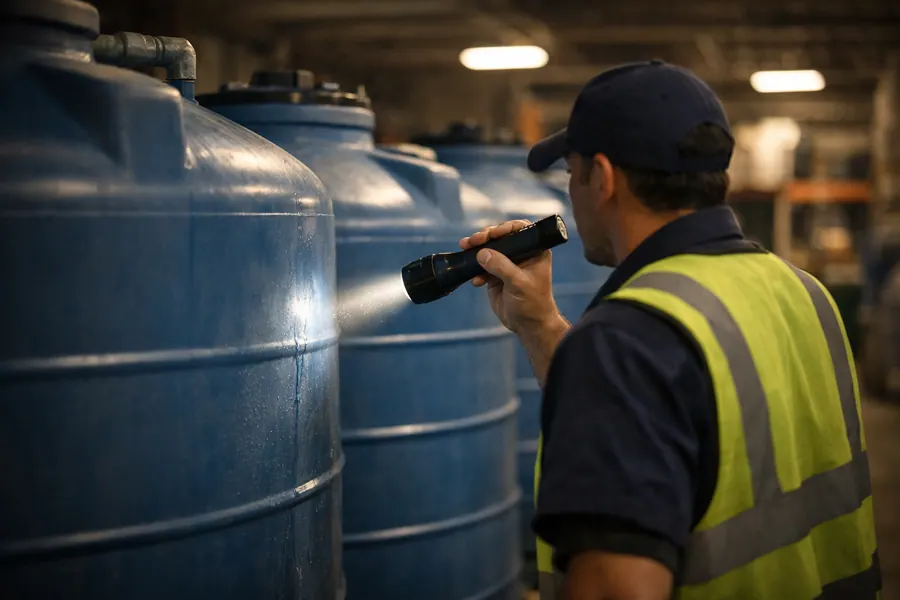
Conduct regular checks to monitor the tank’s condition. Identify and address potential problems promptly through routine maintenance. A business using multiple tanks might implement a monthly check system, allocating a staff member to inspect each tank, ensuring early detection of any issues.
Maintaining Temperature
Maintain a consistent temperature to prevent water quality degradation. Extreme fluctuations can compromise the tank’s structure and water. Ideal temperatures vary but should generally remain moderate. In coastal areas, where humidity is high, temperature control becomes even more crucial to prevent condensation within the tank.
Common Mistakes to Avoid
Avoid filling the tank completely, as this can lead to pressure build-up and structural issues. Neglecting regular maintenance can escalate minor issues. Ensure the tank is secured to prevent tipping. Consider a scenario where an office manager fills a tank to the brim; the increased pressure could cause the tank to crack over time, leading to costly replacements.
When to Seek Professional Help
Seek professional assistance for persistent issues like leaks or structural damage. Professionals provide tailored solutions for complex problems. **Professional maintenance** ensures peak tank condition. A homeowner noticing recurring leaks despite repairs may find that professional inspection reveals an underlying issue not previously identified.
Next Steps for Long-Term Storage
For long-term storage, implement a comprehensive maintenance routine and consider professional inspections. Plan for periodic cleaning and reinforcements if necessary. Long-term strategies preserve the tank’s condition and water quality. Businesses planning to store tanks for more than a year might schedule quarterly inspections with a professional to maintain optimum storage conditions.
Frequently Asked Questions
How long can I store a water tank?
A water tank can generally be stored for several months to years if properly maintained. Ensure regular inspections and maintenance to extend its lifespan.
Can I store a water tank outside?
Yes, outdoor storage is possible but requires protective measures against weather and sunlight. Use covers and select a shaded location to minimize exposure.
What happens if my water tank is exposed to sunlight?
Exposure to sunlight can lead to algae growth and degrade water quality. Protect the tank with covers or place it in a shaded area to prevent these issues.
How do I clean my water tank before storage?
Use a non-toxic cleaning solution to scrub the interior surfaces. Rinse thoroughly to remove all cleaning residues, ensuring the tank is clean before storage.
What should I check for during water tank inspection?
Look for cracks, leaks, and signs of wear or corrosion. Address any damage promptly to prevent further issues during storage.
How often should I check my stored water tank?
Regular checks every few months are recommended to ensure the tank remains in good condition and to address any emerging issues promptly.
What temperature is ideal for water tank storage?
Moderate temperatures, typically between 10°C to 25°C, are ideal for storing water tanks. Avoid extreme fluctuations to maintain structural integrity and water quality.
Can I store a water tank in a garage?
Yes, a garage can be an appropriate indoor storage location. Ensure it is well-ventilated and maintains a stable temperature to protect the tank.
What are the signs my water tank needs professional maintenance?
Look for persistent leaks, structural damage, or unusual odors. Professional help can address these issues effectively and prevent deterioration.
Is it safe to store a full water tank?
It is generally recommended to store tanks partially filled to minimize pressure. Ensure the tank is stable and not at risk of tipping over.
What materials are best for water tank storage?
Materials like polyethylene and stainless steel are commonly used for water tanks due to their durability and resistance to corrosion.
How to prevent algae growth in stored water tanks?
Minimize sunlight exposure and maintain clean conditions to prevent algae growth. Regular cleaning and inspections are essential.
Choose the Correct Storage Service at Xtended Space by visiting XtendedSpace’s blog for detailed guidance.
This article is for informational purposes only. Service availability, pricing, timelines, and features may vary by location and operational requirements. Please contact XtendedSpace for the latest information and customized quotations.