
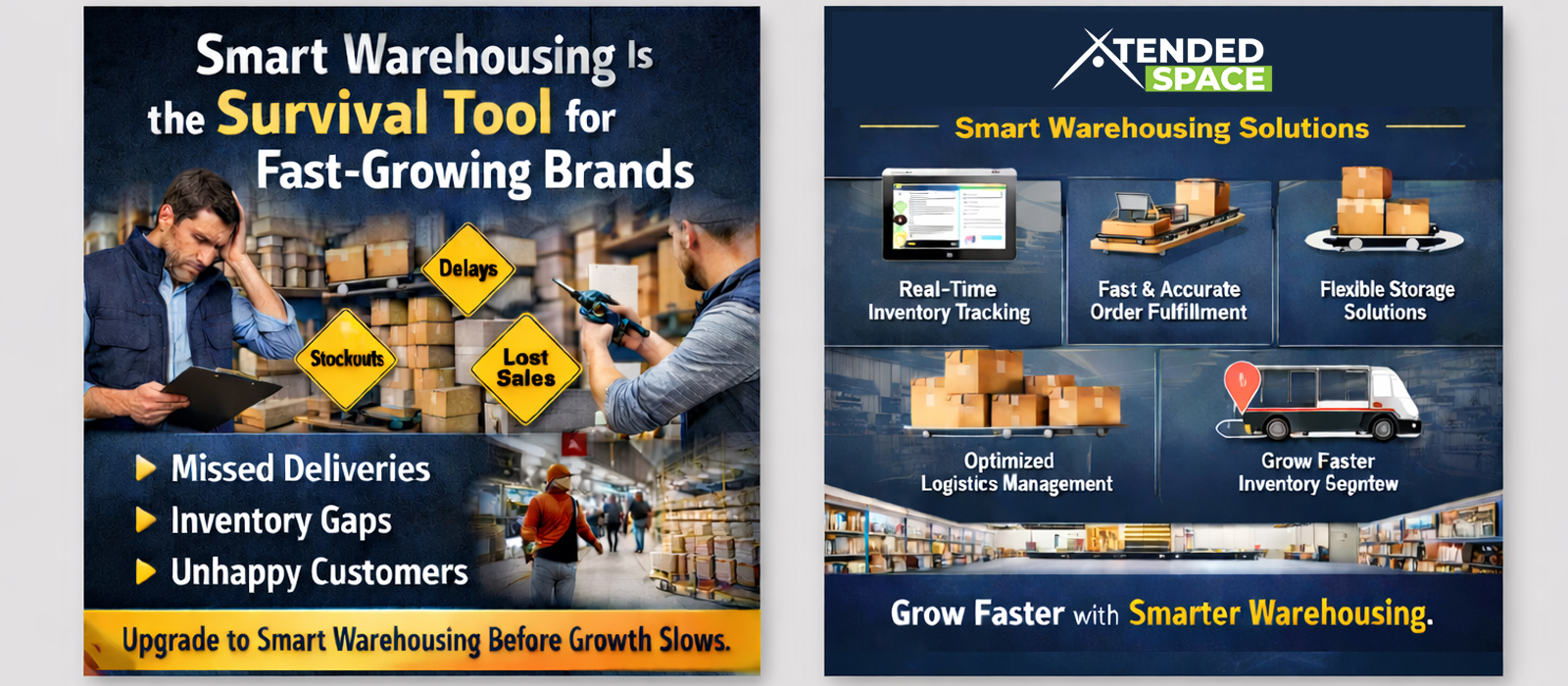

Everybody focuses on growth because it looks exciting from the outside: viral reels, sudden order spikes, and sold-out products. But behind the scenes, many fast-growing brands are struggling. Orders pile up, inventory goes missing, deliveries get delayed, and customers lose patience.
This is why many trending brands fail: not in marketing, but in operations, and the biggest operational risk is outdated warehousing systems.
Smart warehousing is no longer a “nice upgrade.” It is a survival requirement.
When Growth Hits Faster Than Your Warehouse Can Handle
Trending brands grow unpredictably. One influencer post, one festive sale, or one marketplace push can double demand overnight. Traditional warehousing is not designed for this level of speed.
Manual stock tracking, fixed storage space, and slow dispatch processes create chaos. Orders get delayed. Wrong items are shipped. Inventory data stops matching reality.
The result?
- Missed deliveries
- Refund requests
- Negative reviews
- Lost repeat customers
Growth without control damages brand trust faster than slow growth ever could.
Poor Inventory Visibility Is a Silent Revenue Killer
If you don’t know exactly what stock you have, where it is stored, and how fast it’s moving, you are already losing money.
Most fast-growing brands face two problems:
- Overstocking slow-moving items
- Running out of high-demand products
Overstock blocks cash flow. Stockouts kill sales momentum. Both hurt profitability.
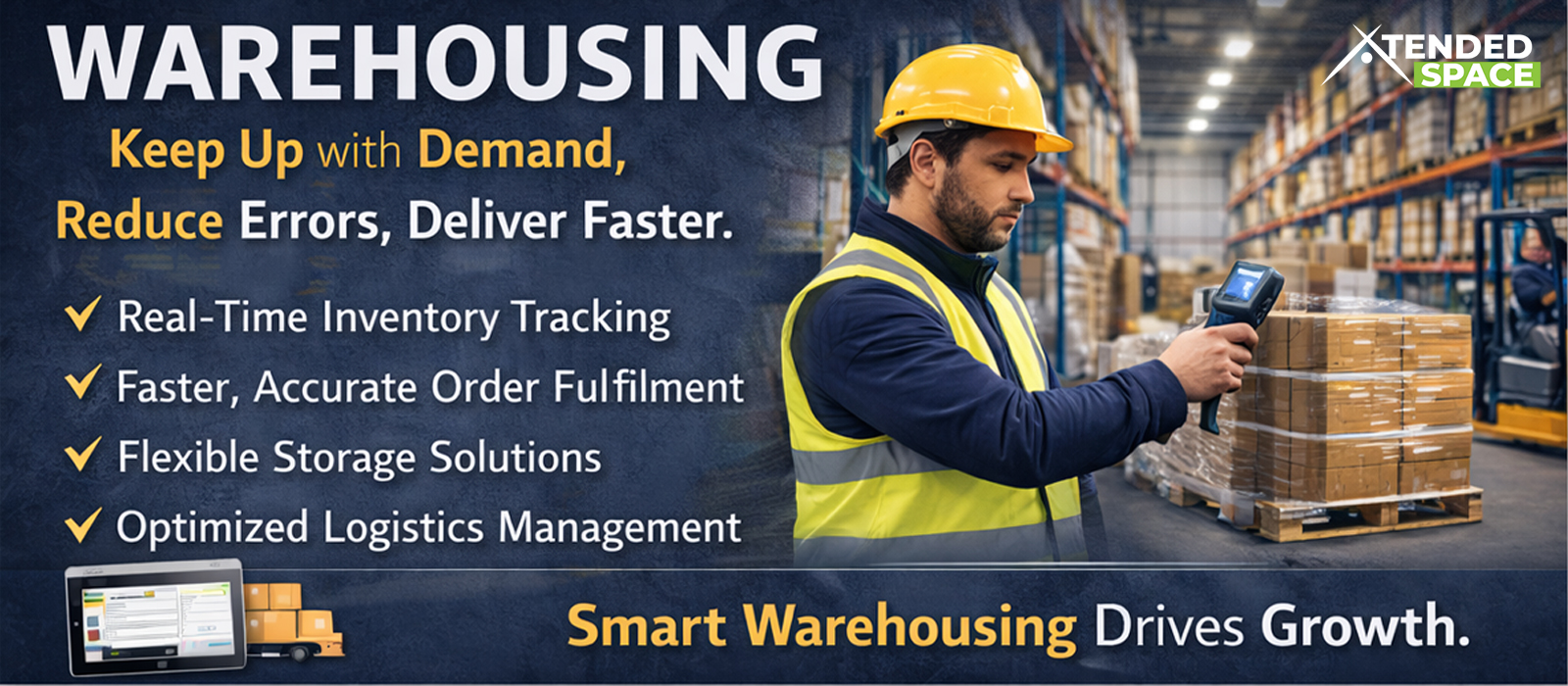
Smart warehousing solves this with real-time inventory visibility, eliminating guesswork, and preventing avoidable losses.
Smart Warehousing Brings Speed, Accuracy, and Control
Smart warehousing utilizes technology-driven systems to track inventory, manage storage, and optimize order processing in real-time.
Brands gain:
- Accurate stock data
- Faster picking and packing
- Fewer dispatch errors
- Better demand planning
When systems work faster, your brand keeps up with market demand—without operational breakdowns.
Faster Deliveries Mean Higher Customer Trust
Today’s customers don’t wait. They expect fast dispatch and on-time delivery.
Smart warehouses are designed to reduce delays by streamlining workflows and improving storage organisation. Orders move smoothly from shelf to shipment.
This speed directly impacts:
- Customer satisfaction
- Repeat purchases
- Brand credibility
In a competitive market, delivery experience often matters more than discounts.
Flexible Storage That Scales with Your Brand
Trending brands don’t grow in straight lines. Demand fluctuates. Fixed warehouses become expensive liabilities.
Smart warehousing offers flexible space and pay-as-you-use models. Brands can scale storage up or down without long-term commitments or heavy investments.
This flexibility protects cash flow while supporting rapid growth.
Focus on Growth, Not Operational Firefighting
Founders and brand teams should focus on marketing, product innovation, and customer experience—not inventory confusion.
Smart warehousing removes operational pressure, allowing brands to scale confidently while experts handle storage and logistics.
This problem usually gets noticed just before growth slows. Understand how smart warehousing helps prevent it at www.xtendedspace.com
FAQs
What is smart warehousing?
Ans: Smart warehousing uses technology and optimized systems to manage inventory, storage, and order processing efficiently.
Why is smart warehousing important for fast-growing brands?
Ans: It helps brands manage sudden demand spikes, reduce errors, and avoid delivery delays.
Can small or new brands use smart warehousing?
Ans: Yes. Smart warehousing is scalable and suitable for startups, D2C brands, and growing businesses.
How does smart warehousing improve conversions?
Ans: Faster deliveries, accurate stock, and fewer order issues improve customer trust and repeat purchases.
What happens if brands ignore smart warehousing?
Ans: They risk delays, stock losses, poor reviews, and stalled growth.