
Effective storage solutions in Bangalore can ease the stress of moving. Assess your inventory and select the right storage option to keep belongings safe and accessible.
Key Takeaways
- Assess your inventory and determine what needs storage.
- Choose between self-storage and full-service based on needs.
- Prepare and pack items carefully to maximize storage efficiency.
- Factor in costs and security measures when selecting storage.
- Plan retrieval of items post-move efficiently.
Understanding Your Storage Needs During a Move
Assessing Your Inventory
List all items you need to store, including furniture, electronics, and seasonal items. Prioritize belongings you won’t need immediately. This helps determine the necessary space and storage option, saving time and money. For example, storing seasonal decorations separately can free up space for more essential items.
Determining Storage Duration
Decide how long you need storage. Whether for weeks or months, knowing the duration aids in budgeting and choosing the right service. Short-term and long-term options vary in cost and availability, so plan accordingly. Having a clear timeline helps in negotiating better rates and ensures availability, especially during peak moving seasons.
Choosing the Right Storage Option in Bangalore
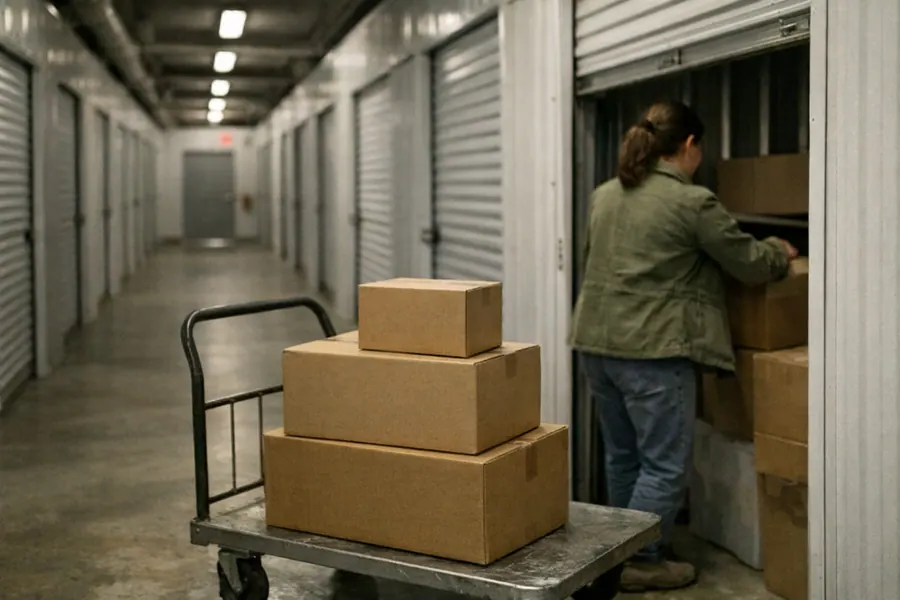
Self-Storage vs. Full-Service Storage
| Feature | Self-Storage | Full-Service Storage |
|---|---|---|
| Access | 24/7 access to your unit | Access by appointment |
| Cost | Generally lower | Higher due to additional services |
| Convenience | Requires self-transport | Pick-up and delivery included |
| Flexibility | Flexible for frequent access | Best for long-term, less frequent access |
Choose based on budget, convenience, and access needs. Self-storage offers flexibility, while full-service provides ease of use. For instance, businesses needing frequent access to inventory might favor self-storage, while families moving abroad might opt for full-service.
Factors to Consider
- Location proximity to your home.
- Security features such as surveillance and access controls.
- Climate control for sensitive items.
- Availability of insurance options.
- Accessibility for loading and unloading large items.
Preparing Your Items for Storage

Packing Tips
Use sturdy boxes and packing materials to protect belongings. Wrap fragile items in bubble wrap or packing paper. Disassemble large furniture to save space. Proper packing maximizes storage space and protects items. Consider using vacuum-sealed bags for clothing to reduce volume significantly.
Labeling and Inventory Management
Label each box with its contents and the room it belongs to. Keep an inventory list to track stored items. This ensures easy location of items and helps prevent loss. Digital inventory apps can simplify tracking, allowing you to update lists from your smartphone.
Cost Considerations for Storage Services
Understanding Pricing Models
Storage costs vary by size, duration, and service type. Self-storage usually charges by the square foot, while full-service may include fees for pick-up and delivery. Compare rates and services to find a cost-effective solution. Consider potential discounts for off-peak storage or longer commitments.
Budgeting for Storage
Include storage costs in your moving budget. Consider potential extra fees, such as late payment penalties or additional insurance. Planning your budget helps avoid surprises and ensures adequate funds are set aside. Some storage providers offer payment plans, which can ease financial strain during a move.
Avoiding Common Pitfalls in Storage
Security Measures
Verify the security measures of your chosen storage facility. Look for features such as CCTV surveillance, gated access, and individual unit alarms. A well-secured facility protects your belongings. Regularly updating security codes and checking access logs can further enhance security.
Insurance Options
Consider obtaining insurance for your stored items. Some facilities offer insurance, while home insurance may cover stored goods. Insurance safeguards against theft, damage, or natural disasters. Review policy terms carefully to understand coverage limits and exclusions.
Retrieving Your Items Post-Move
Scheduling Retrieval
Plan the retrieval of your items in advance. Coordinate with your storage provider to schedule a convenient time. This ensures a smooth transition back into your new home. If using full-service storage, confirm delivery dates well ahead to avoid delays.
Checking Inventory
Upon retrieval, check your inventory list to confirm all items are accounted for. Inspect each item for any damage incurred during storage. This step is crucial for addressing any issues with the storage provider promptly. Taking photos of items before storage can serve as useful records if disputes arise.
Next Steps: Contacting Storage Providers
After considering your options, reach out to storage providers in Bangalore. Discuss your specific needs, request quotes, and clarify any concerns. This is your opportunity to finalize arrangements and ensure your storage needs are met efficiently. Detailed discussions can also reveal potential for customized services tailored to unique requirements.
Frequently Asked Questions
How long does it take to arrange storage in Bangalore?
Arranging storage can typically be done within a few days. Contacting storage providers early ensures availability and allows for necessary preparations.
Can I access my items during storage?
Access depends on the storage type. Self-storage facilities allow 24/7 access, while full-service storage may require appointments.
What happens if I need to extend my storage duration?
Most providers offer flexible terms allowing you to extend storage duration. Discuss this possibility upfront to understand any potential changes in cost.
How secure are storage facilities in Bangalore?
Security varies by facility, but many offer CCTV, access controls, and individual alarms. Verify security measures before choosing a facility.
What items are prohibited from being stored?
Typically, hazardous materials, perishable goods, and illegal items are prohibited. Check with your provider for a complete list of restricted items.
Is insurance necessary for stored items?
Insurance is recommended to protect against theft, damage, or natural disasters. Some facilities provide options, or home insurance may cover items.
How do I prepare fragile items for storage?
Wrap fragile items in bubble wrap and use sturdy boxes. Clearly label boxes as fragile. Proper packing minimizes the risk of damage.
Are there any hidden costs in storage services?
Hidden costs may include late fees, additional insurance, or access charges. Clarify all fees with your provider to avoid unexpected expenses.
Can I store furniture during a house move?
Yes, furniture can be stored. Disassembly and proper packing are recommended to save space and protect the items.
What should I do if items are damaged during storage?
Report any damage to the storage provider immediately. Document the damage with photos and refer to your insurance policy for claims.
How do I choose between self-storage and full-service storage?
Consider access needs, budget, and convenience. Self-storage offers flexibility, while full-service includes additional conveniences like pick-up and delivery.
Are there discounts available for long-term storage?
Many providers offer discounts for long-term storage. Inquire about promotions or loyalty programs when discussing terms with your provider.
This article is for informational purposes only. Service availability, pricing, timelines, and features may vary by location and operational requirements. Please contact XtendedSpace for the latest information and customized quotations.