
For most businesses, the delivery step is taken for granted. It’s the process that decides whether revenue grows or quietly leaks every month.
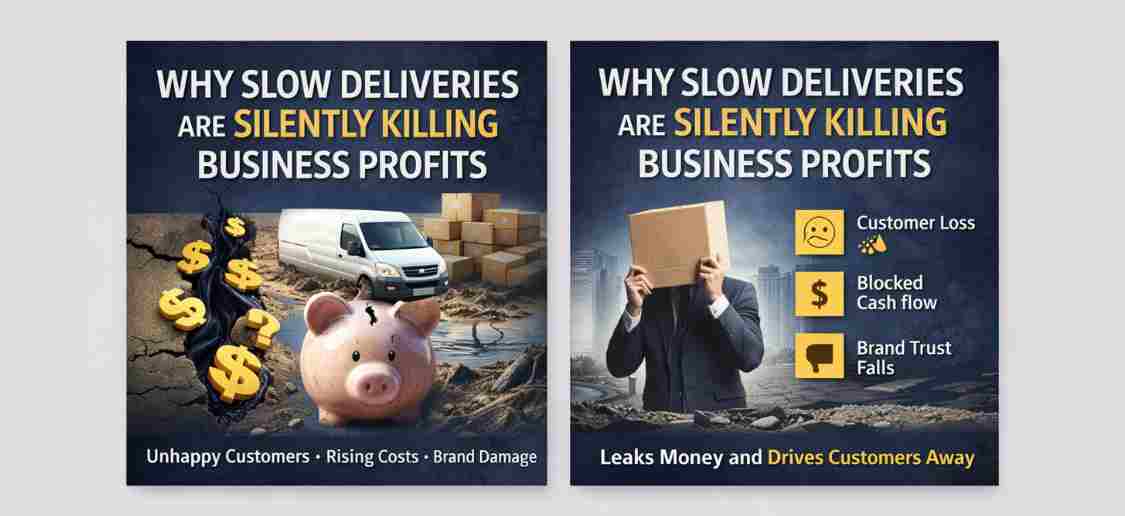
Slow or poorly managed deliveries don’t just cause delays. They trigger a chain reaction: unhappy customers, rising costs, blocked cash flow, and damaged brand trust. And the worst part? Most businesses notice the damage only after growth slows down.
Let’s break down exactly how weak delivery systems drain money, and why fixing this early is critical.
Missed Delivery Timelines Cost You, Customers, First
Customers today don’t wait. Late deliveries test patience, and patience runs out quickly.
One delayed order might get ignored. Two or three delays, and customers start looking elsewhere. They don’t complain—they simply switch brands.
What businesses lose here is bigger than one sale:
- Repeat orders disappear
- Referrals stop
- Customer lifetime value drops.
Replacing lost customers costs far more than retaining them. Slow deliveries quietly increase acquisition costs on balance sheets.
Poor Delivery Planning Increases Costs Every Single Day
Late deliveries are rarely accidental. They usually point to deeper issues:
- Poor route planning
- Unorganised dispatch
- Lack of coordination between the warehouse and delivery teams
These gaps increase fuel costs, overtime payments, and failed delivery attempts. Returns and re-deliveries increase when shipments arrive late or are delivered incorrectly.
Each failed delivery reduces margins. Over time, businesses work harder just to earn the same revenue.
Inventory Gets Stuck, Cash Flow Suffers
When deliveries slow down, inventory stops moving.
Products sit in warehouses or remain stuck in transit, blocking working capital. Businesses continue to produce or order stock without realizing that their existing inventory isn’t clearing fast enough.
This leads to:
- Cash flow pressure
- Storage congestion
- Risk of damage, expiry, or dead stock
Slow deliveries don’t just delay orders—they freeze money.
Brand Reputation Takes a Direct Hit
Customers don’t separate product quality from delivery experience.
Late, damaged, or incomplete deliveries damage trust instantly.
In a digital-first world, unhappy customers leave reviews before businesses can respond. Negative ratings affect future buying decisions, even if the product itself is strong.
Once delivery trust is broken, rebuilding brand credibility becomes expensive and slow.
Lack of Visibility Creates Internal Chaos
Without proper delivery tracking, businesses don’t know:
- Where shipments are
- When they’ll arrive
- What customers should be told?
Customer support teams spend more time handling complaints than improving service. Operations teams react instead of planning.
This confusion increases stress, errors, and hidden costs across departments.
Read More: Packers and Movers for Corporate Relocation
Strong Delivery Systems Protect Revenue and Growth
Reliable delivery systems depend on speed, visibility, and planning.
When logistics is managed properly:
- Inventory moves faster
- Costs stay controlled
- Customers stay informed
- Trust remains intact
Strong delivery operations give businesses the confidence to scale without fear of breakdowns during growth.
To Conclude
Most businesses notice delivery problems only when growth slows down.
If that sounds familiar, it is better to fix it.
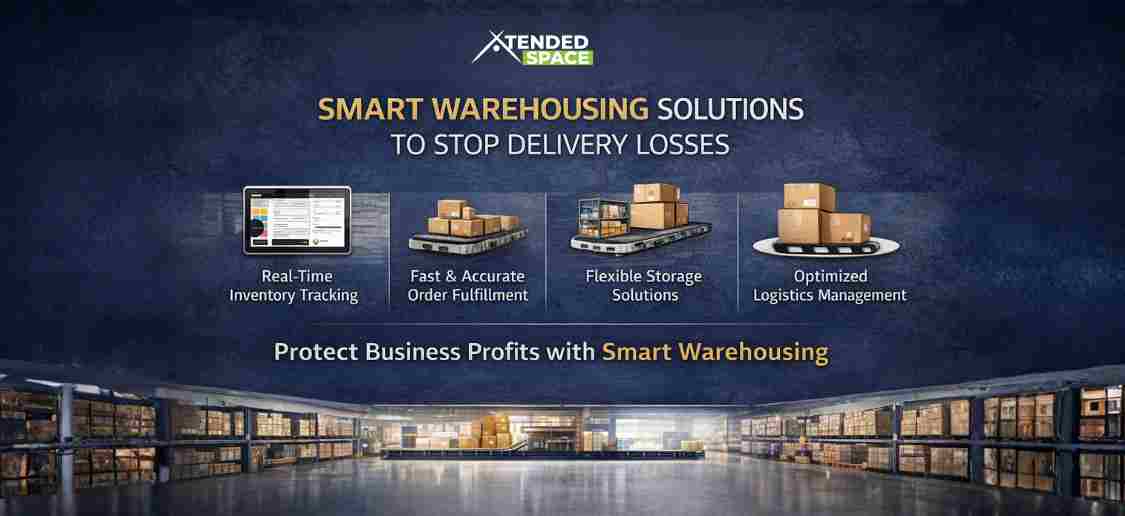
See how smarter warehousing and delivery systems support growth at www.xtendedspace.com
FAQs
- How do slow deliveries impact business profits?
Ans: They increase customer loss, operational costs, inventory holding expenses, and returns, directly reducing margins. - Can delivery issues hurt brand reputation?
Ans: Yes. Delivery experience often matters as much as the product itself. - Do delivery delays affect cash flow?
Ans: Absolutely. Slow inventory movement blocks working capital and creates financial pressure. - Is delivery performance important for B2B businesses as well?
Ans: Yes. Late deliveries affect client trust, contracts, and long-term partnerships. - How can businesses prevent delivery-related losses?
Ans: With better planning, organised warehousing, reliable logistics partners, and real-time visibility.